
New Orleans.
Flashback! I found my video of the Niagara Falls, not included in our post from Toronto. Here it is – quite spectacular.
So, we landed at Louis Armstrong International Airport in New Orleans around midday on Monday 6 October. Stepping out of the airport onto the bus, we were greeted by warm and humid weather. The name Louis Armstrong, a native of New Orleans, will appear in this post, numerous times.
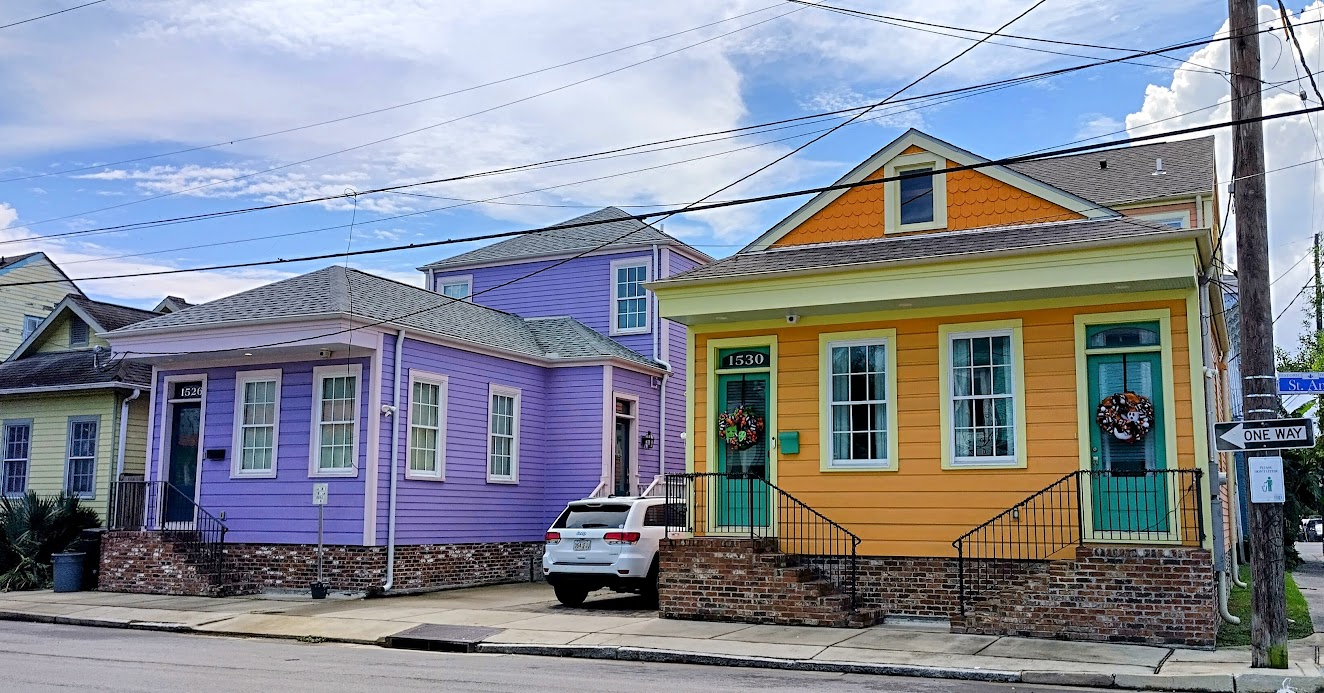
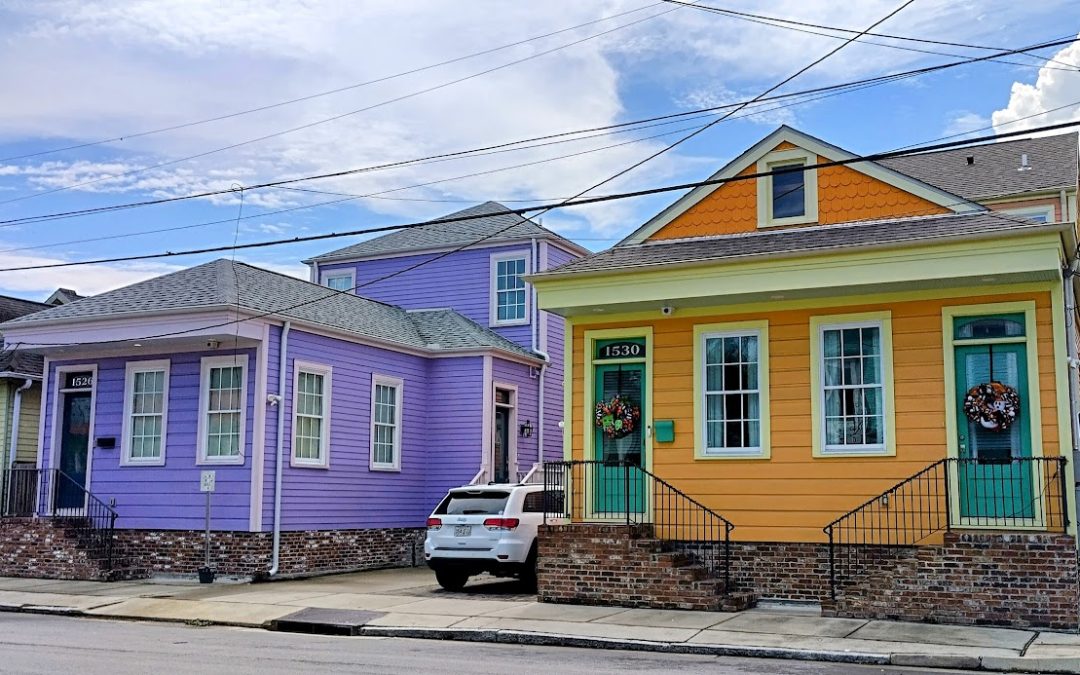
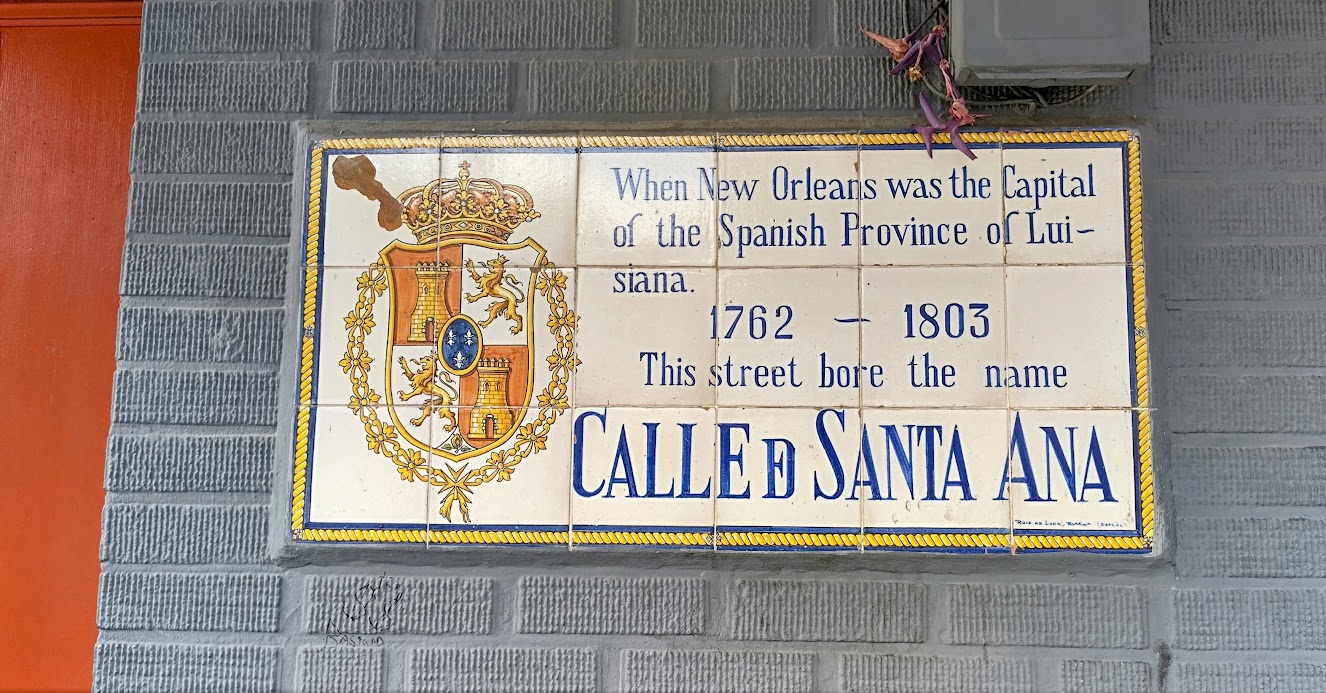
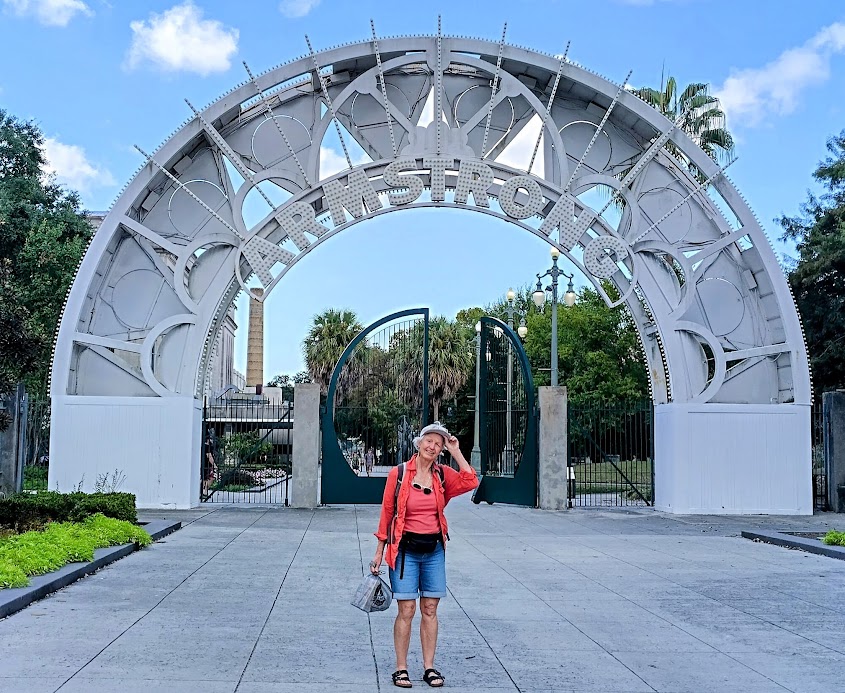
Annie had managed to book us an AirB&B in St Ann Street, on the edge of the French Quarter, next to the Louis Armstrong Park. St Ann Street runs through the heart of the French Quarter down to Jackson Square, by the Mississippi riverfront.
We spent the afternoon relaxing, before going around the corner to a small restaurant, to eat some local Cajun Food. Some Gumbo, a rich stew; Jambalaya, a rice dish with meat and seafood; Red Beans and Rice, a simple yet popular meal.
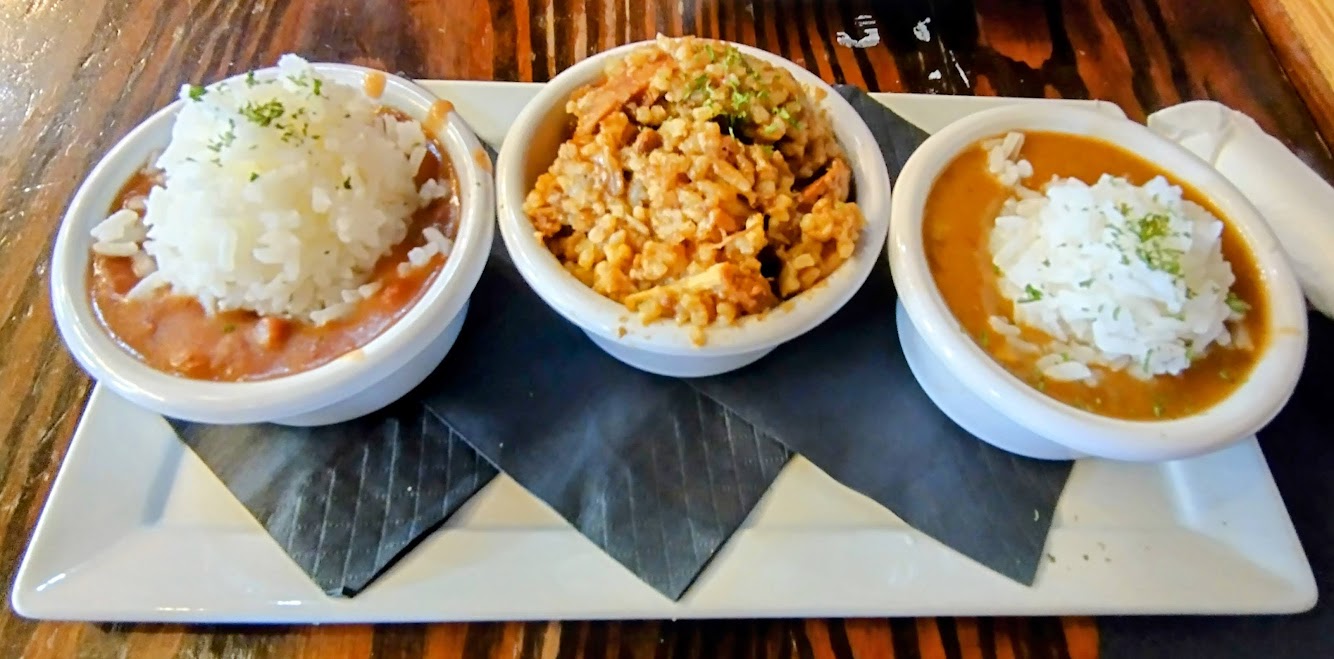
Cajun culture is known for its unique French dialect, lively music, and bold, spicy cuisine characterised by ingredients like cayenne pepper.
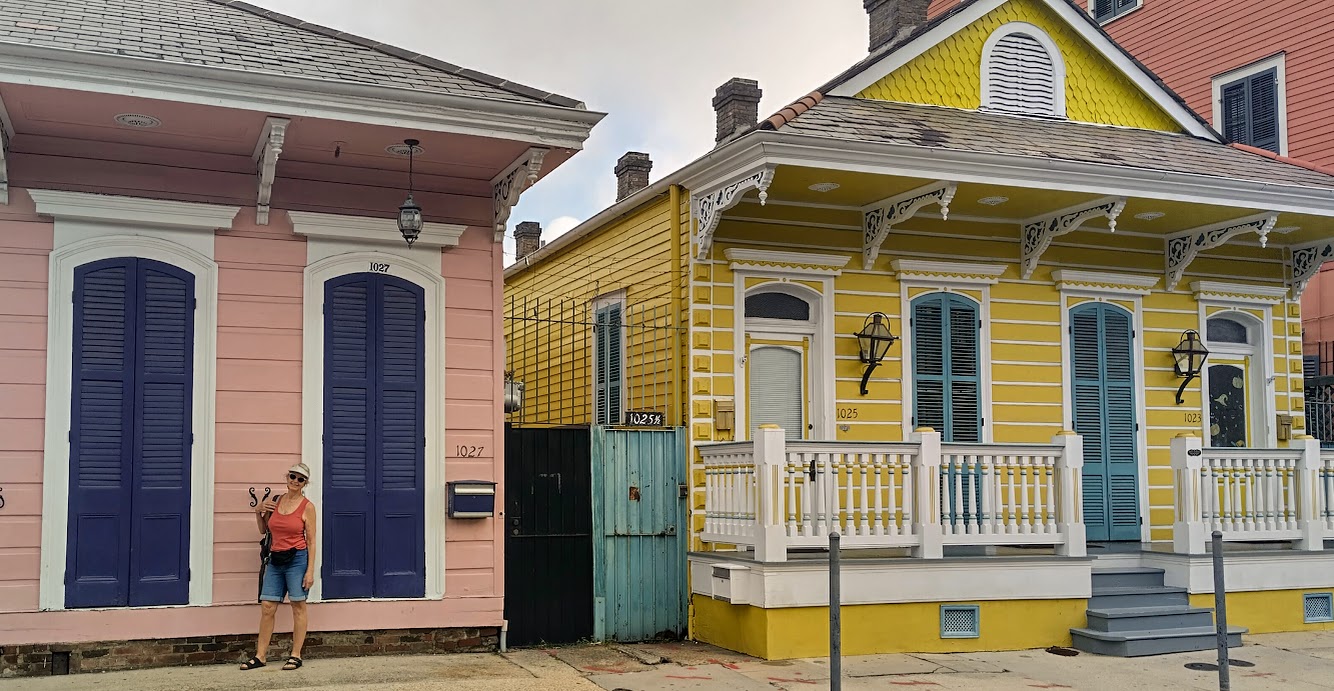
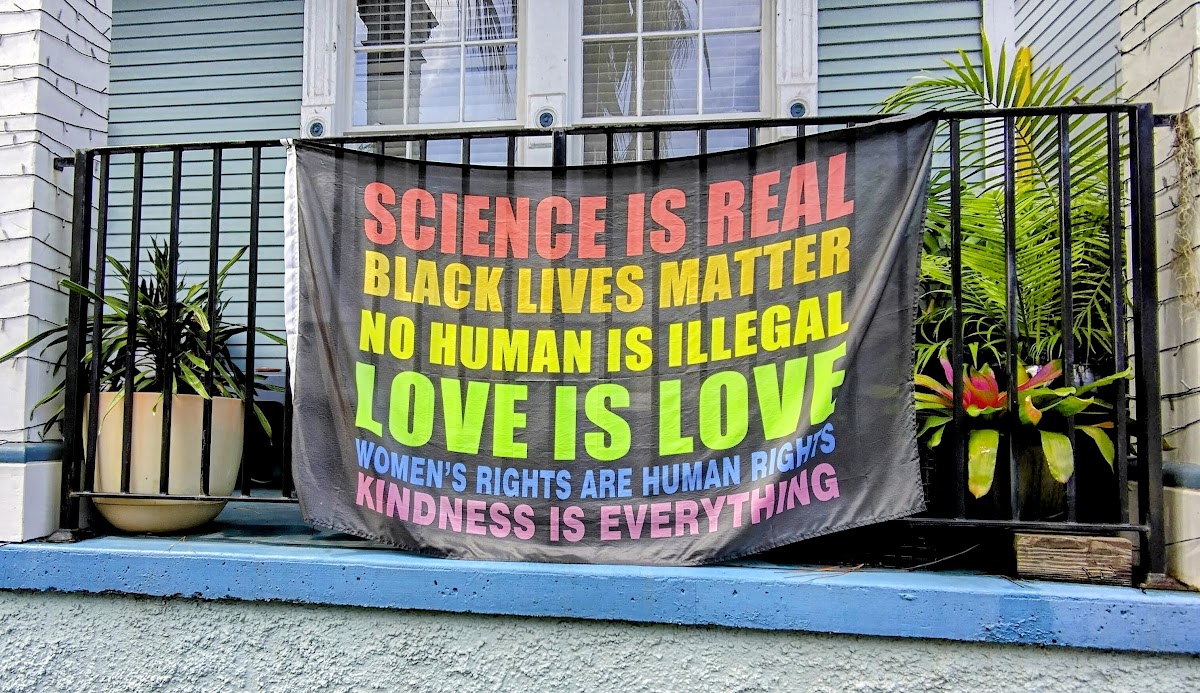
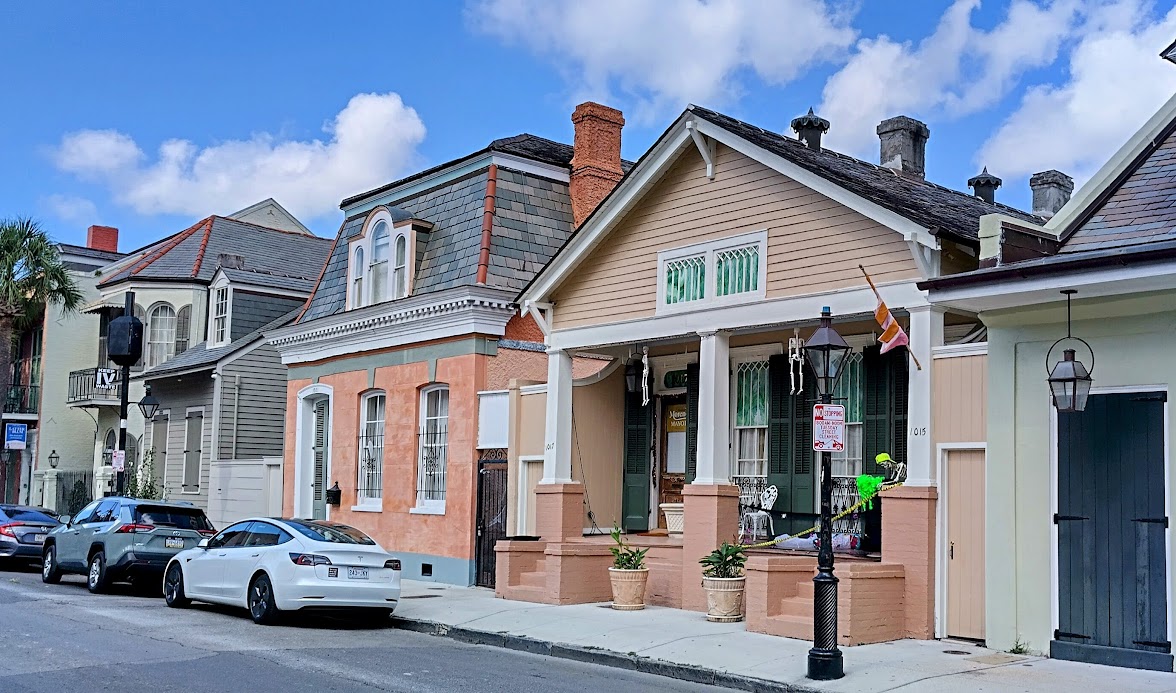
The next morning, we walked down St Ann Street to Jackson Square admiring the colourful houses, to catch the 9:30 am Hop on, Hop off bus to do a city tour. Now, these houses are mostly repaired or rebuilt structures after the devastating category 5 hurricane Katrina, struck New Orleans in late August 2005. There are grassed open plots, still unbuilt.
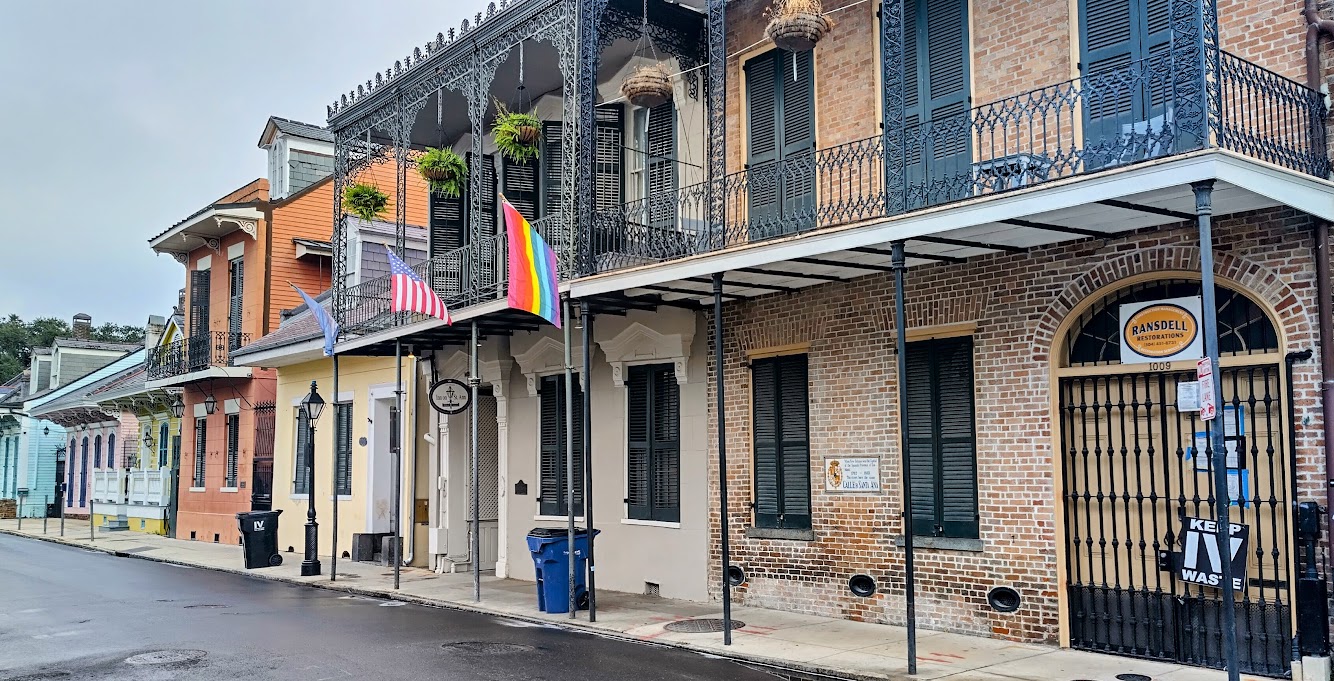
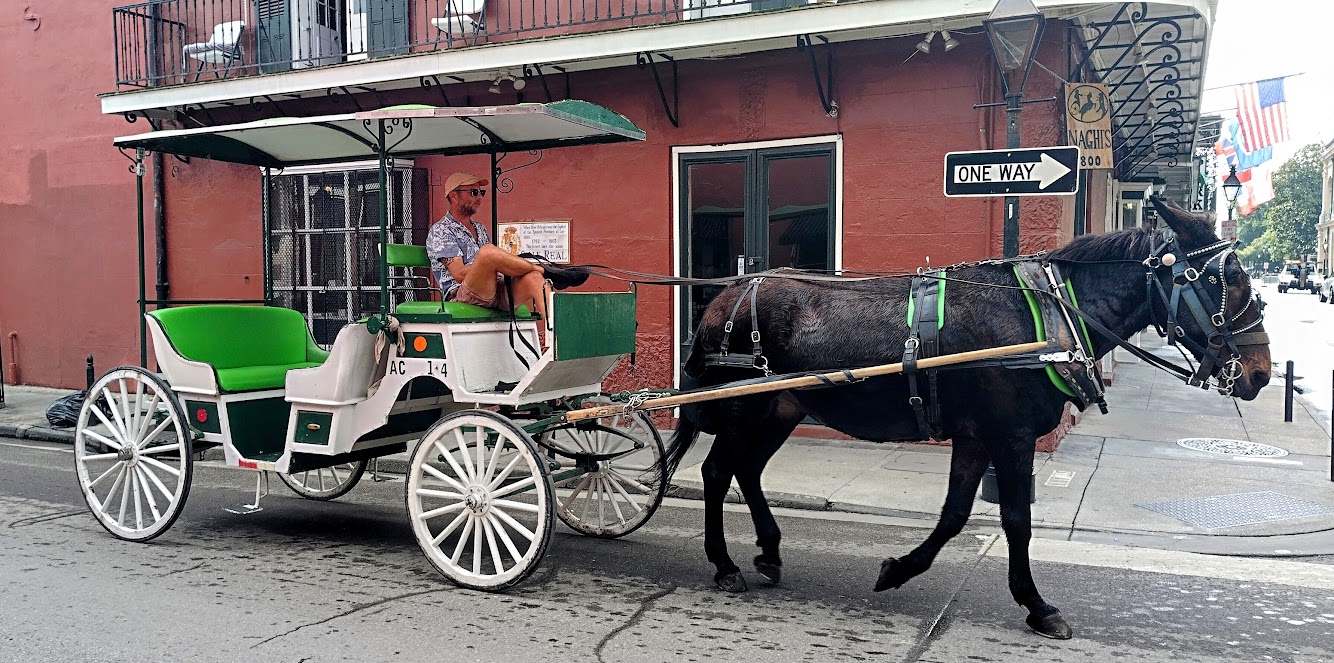
Hurricane Katrina with winds of 280 km/h caused a storm surge of more than 4.3 m from the Gulf of Mexico and rainfall of around 250 mm in two hours, completely flooding New Orleans. The levees and walls surrounding the town were breached in many places. The result: 1,392 people killed and $125 billion worth of damage.
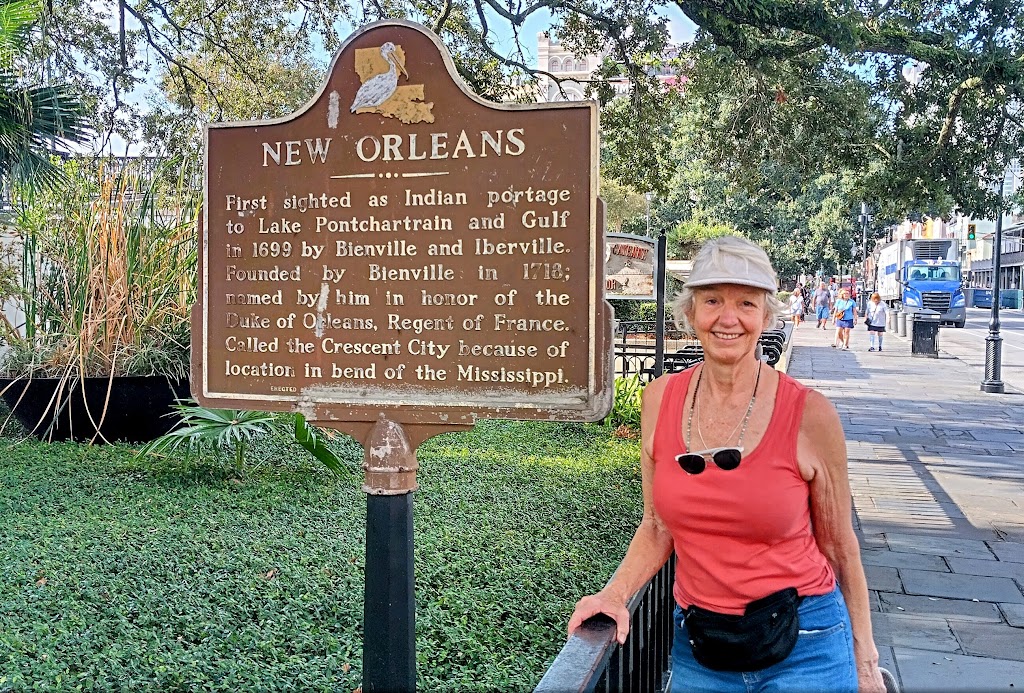
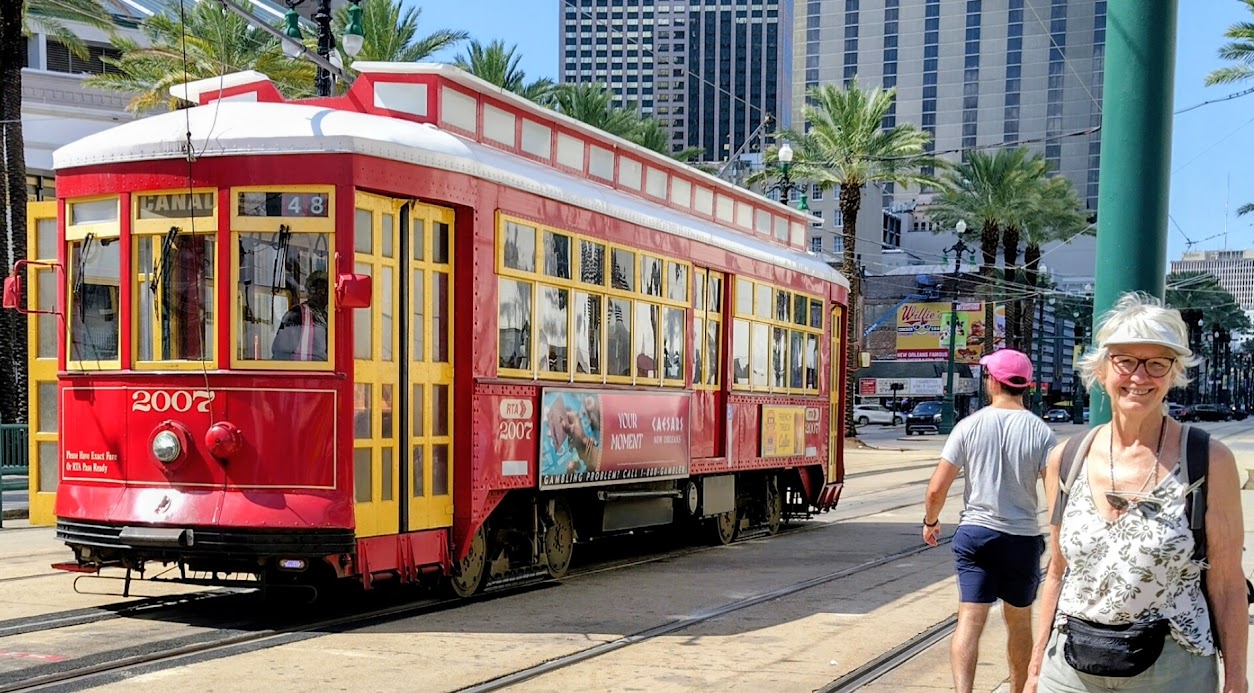
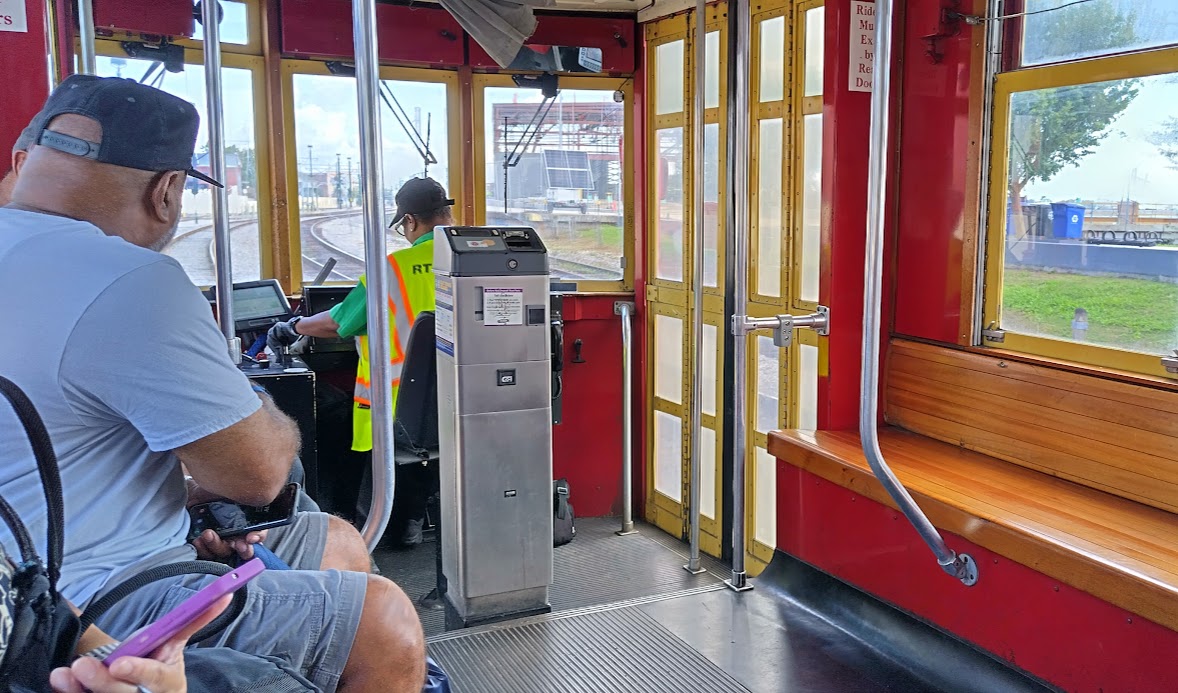
The people of New Orleans are resilient and good humoured, having survived a number of hurricanes over the years. In fact, very friendly and helpful in their broad Southern accents. Riding on their streetcars (trams) which only cost 50c for a seniors day pass, serves the common folk and is like a party on wheels, with lots of shouting and repartee between driver and passengers.
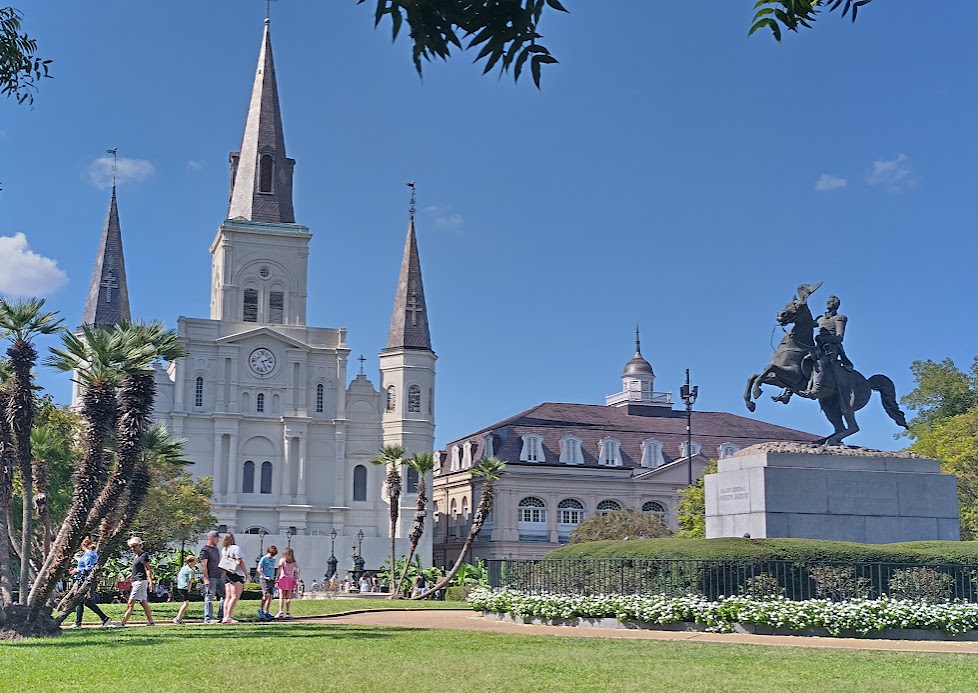
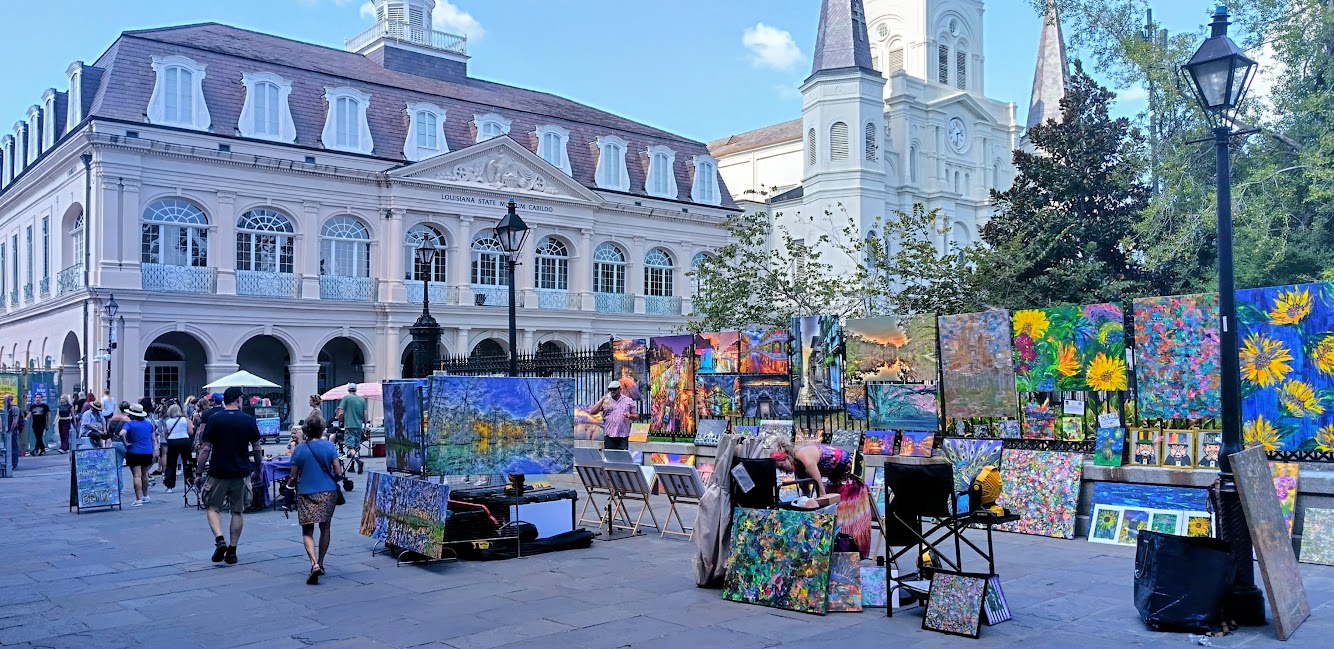
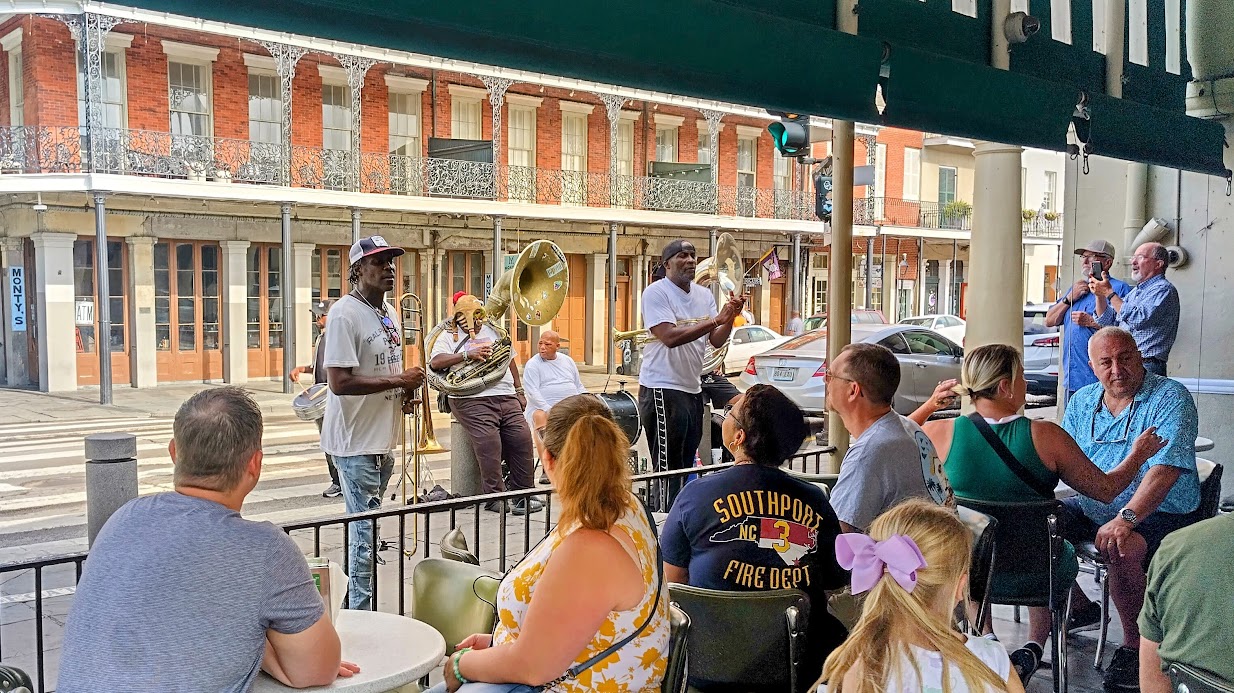
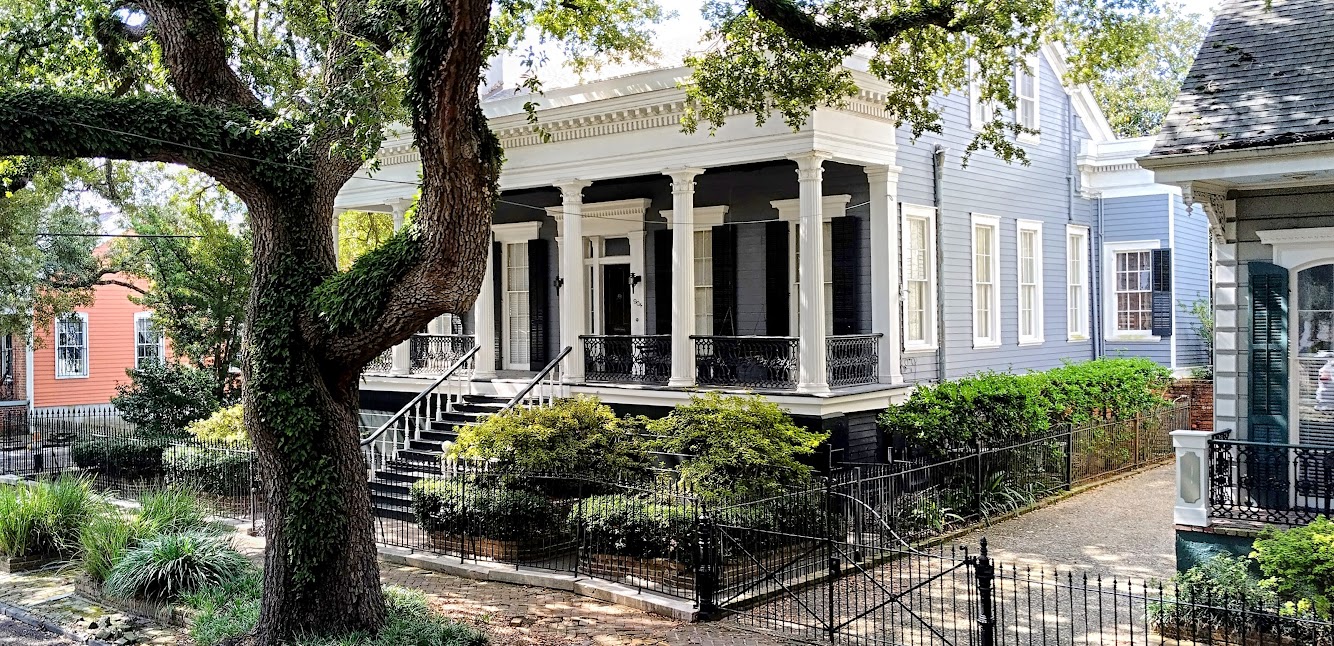
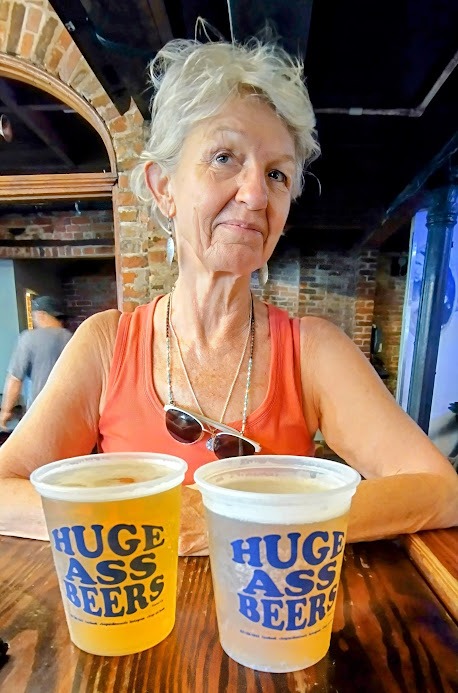
Our day tour on the bus finished at about 12:30, so we stopped at the Cornet Pub on the corner of Bourbon Street and St Peter for a beer and lunch. I asked the bar lady what sizes their draft beer comes in: small, medium and large, she said. We ordered two medium lagers. The medium turned out to be one litre, the large, two litres!
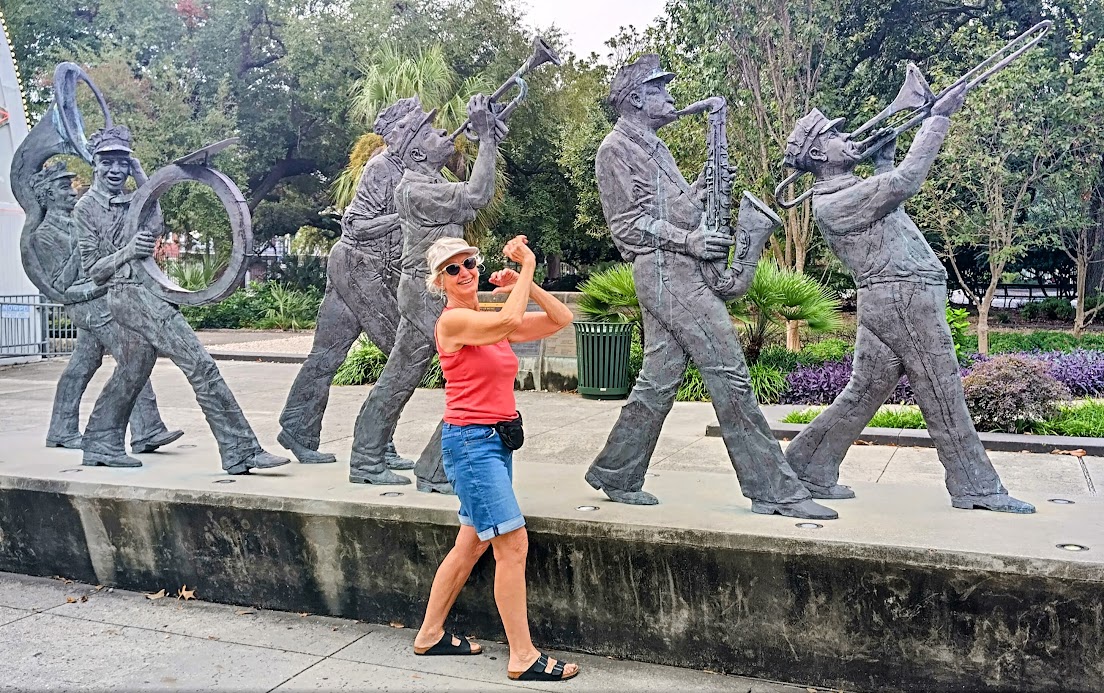
Carrying on down Bourbon Street, we heard some Zydeco music coming from the Bourbon Heat pub across the road. Zydeco is a dance-oriented music genre that originated with the black Creole people of Southwest Louisiana, blending traditional Creole and Cajun music with blues and R&B. Its sound is defined by the amplified accordion and the percussive washboard.
The guy playing here was not only good on the accordion, but played contemporary blues on his guitar. His singing, wasn’t too bad either. We enjoyed a few Hurricanes – a fruity rum cocktail and the potent and sweet, Grasshopper cocktail. Below are a few short video clips of the accordion and guitar music.
We stumbled home for an early night. The next day we bought two senior day passes for the streetcars, me heading off to the Jazz Museum and Annie to the French markets. Later, we did the St Charles loop through town to look at the streetscape and watch the people. Annie bought us a Crawfish Pie (crayfish pie) for dinner.
At the Jazz museum, I learned that New Orleans Jazz had its roots in the Sunday gatherings of the negro slaves at Congo Square, to sing and dance. There is a lovely mural at the museum, as well as a statue in Congo Square depicting this.
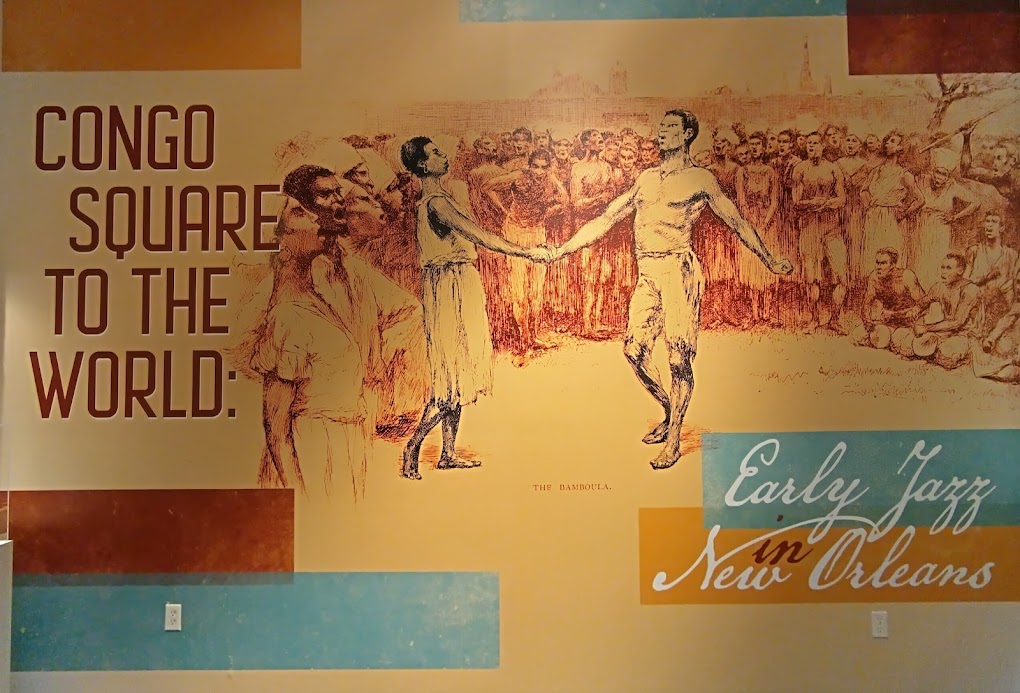
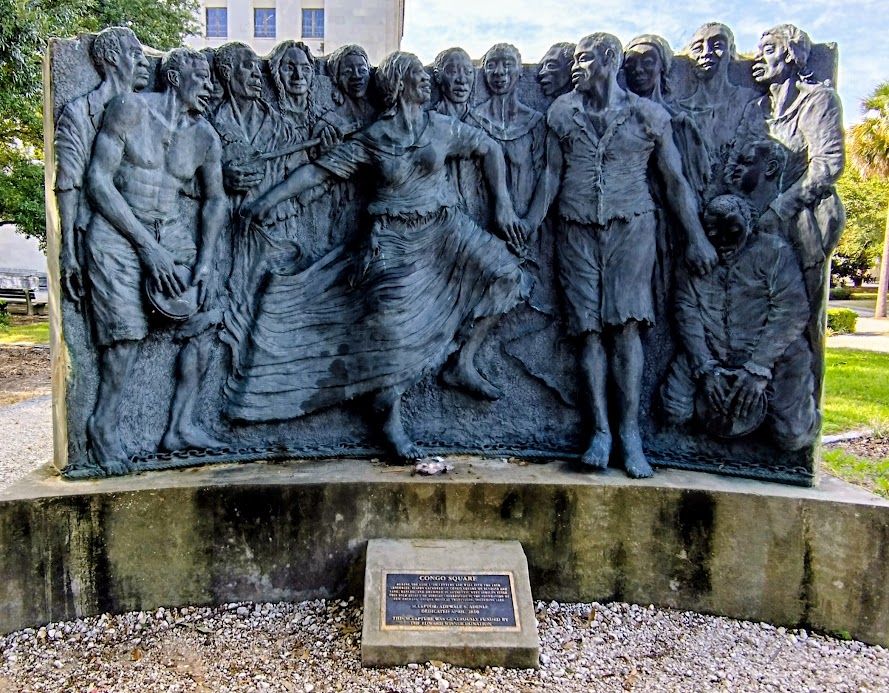
On Thursday, my Achilles tendon injury was quite swollen and sore, so I decided to start on this post, while Annie went sightseeing. She managed to buy me a pair of gel heel supports to reduce the tension on the injury. By late afternoon we walked down to Bourbon and Canal Street to listen to some street music.
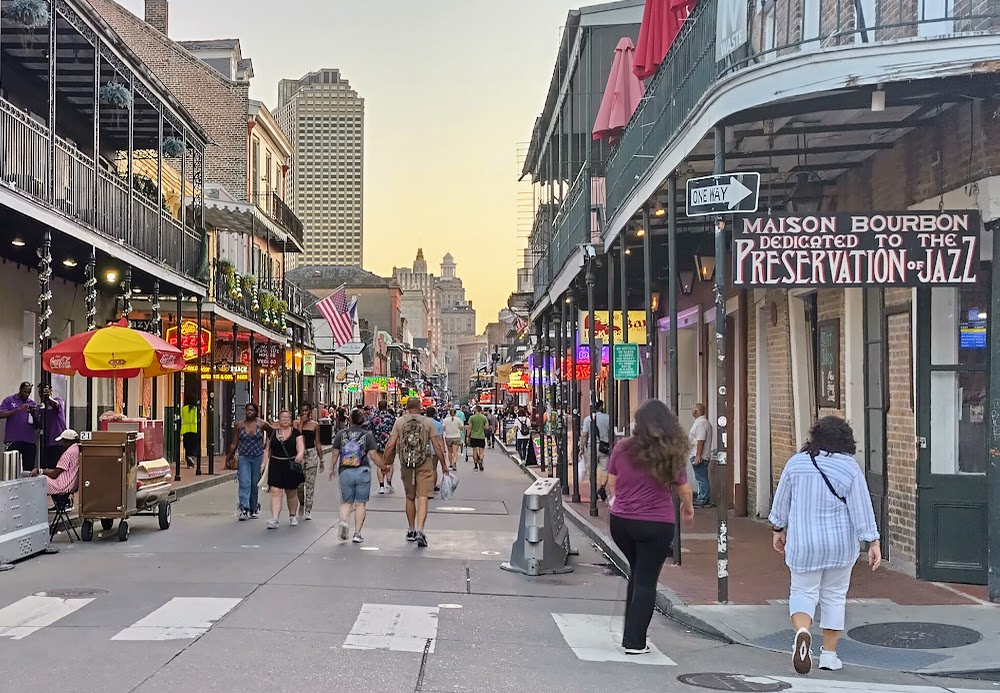
This place is buzzing with music – in every bar and jazz club. I wish my friend Jim Petrie was here to enjoy this. No wonder the New Orleans carnival which always start around the 6th January, sometimes carry on until Easter. The people just love to dress up, dance and make music!
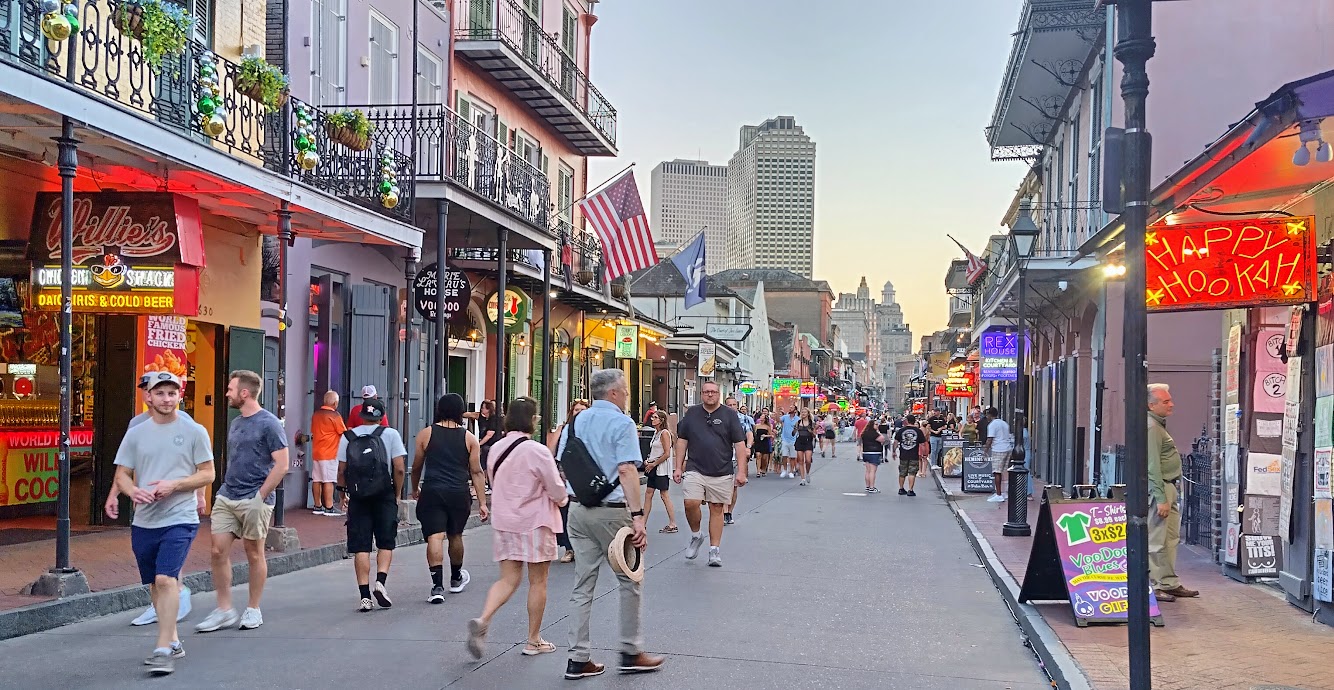
Early evening when it gets cooler, Bourbon Street becomes a hive of activity. People of all ages walk down the pedestrian street, with cocktails, wine or beer in hand (no glass allowed, therefore plastic containers), checking out their options for music and dinner. Whereas lunch times feature solo acts, groups now play in the pubs.
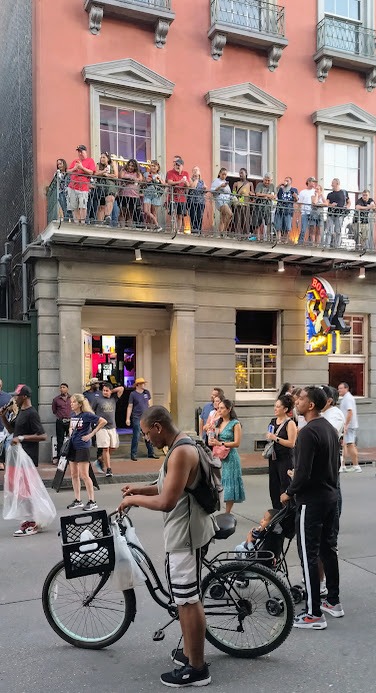
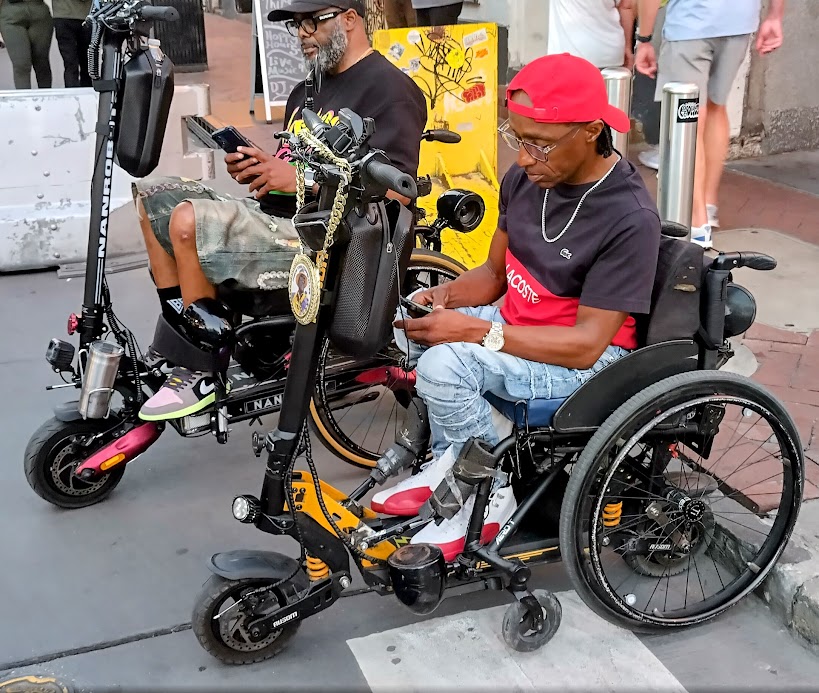
The music is loud and is nowadays, mostly hard rock, with the few exceptions of Irish pubs playing Van Morrison. Apart from the usual Pat O’Brien’s, Finnegan’s and Molly’s Pubs, there is one that got me chuckling, called “Irish Daycare”. We opted for the quieter ambience of a small eatery where we could order a Po’boy.
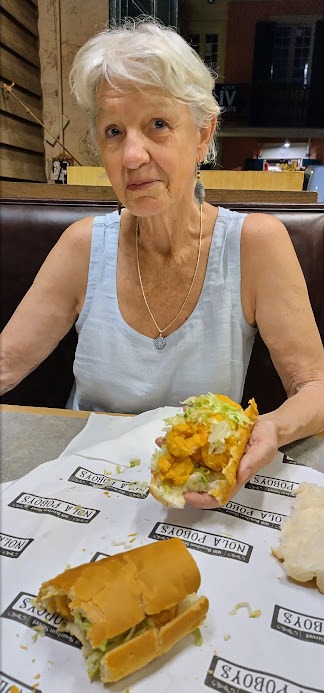
A Po’ boy is a traditional New Orleans sandwich made with flaky French bread filled with seafood, like fried shrimp or oysters, or meat like roast beef. “Fully dressed,” it includes toppings of lettuce, tomatoes, pickles, and mayonnaise. Its name and origins are rooted in the city’s working-class history. A foot long (300 mm) sandwich sets you back $20 and is more than enough for two people.
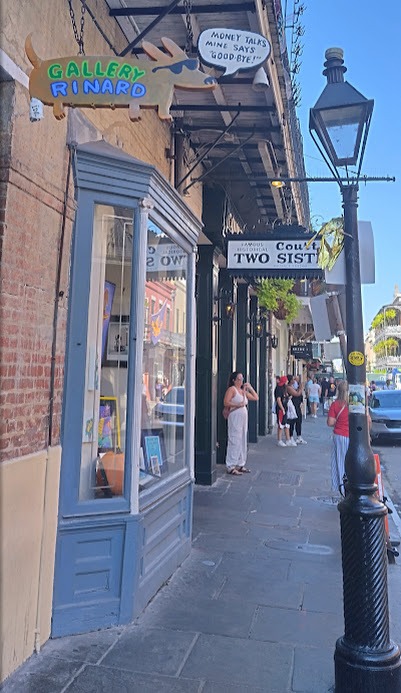
We also learned what Grits are – I always read about Jack Reacher ordering grits with his meals at truck stop diners. In SA we would call this no. 9 coarse mealie meal, but here it is flavoured with bacon chips or cheese.
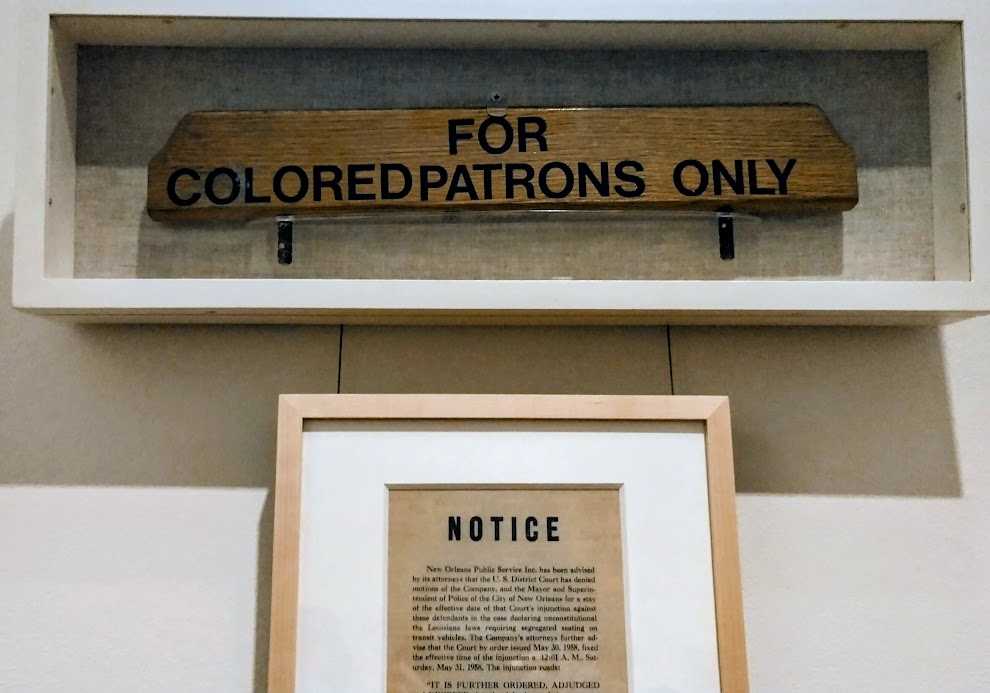
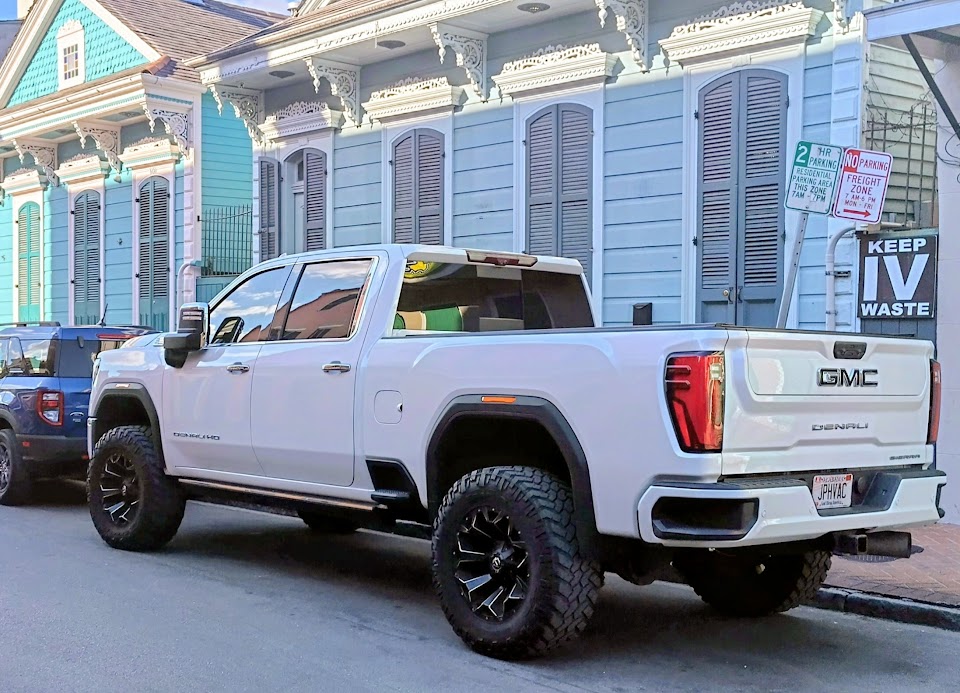
Our last two days were spent visiting a museum about slavery and the 1960’s Civil Rights movement against segregation, here in Louisiana, led by Dr Martin Luther King. Also, just enjoying the street and music scene during the day and evenings. New Orleans has turned out to be the highlight of our trip so far and comes highly recommended. We fly to New Zealand tomorrow morning early and will post on that later. To sign off: Two photos below for ute lovers.

Cheers
Annie and Dirk.