
The month of August was relatively quiet, cold and wet. Our first sail outing in a while was on the 16th August to the Basin for a BBQ with the Sail Cruising Division. We had a good turnout as the sailors were keen to get out and socialise again.
But enough of sailing – this is after all a sailing and travelling blog. So let’s start travelling.
Annie and I spent some time on the internet and booking.com organising visas, accomodation and rental cars for a trip to the USA, Canada and New Zealand during September and October. We’ve been everywhere, but believe it or not, not the USA! (or Russia)
We flew out of Sydney to San Francisco on the 3rd of September. Fortunately for you, we can’t bore you with selfies of us sipping champagne in the first class lounge, because we still fly economy. The risk of a sumo wrestler sitting next to you!
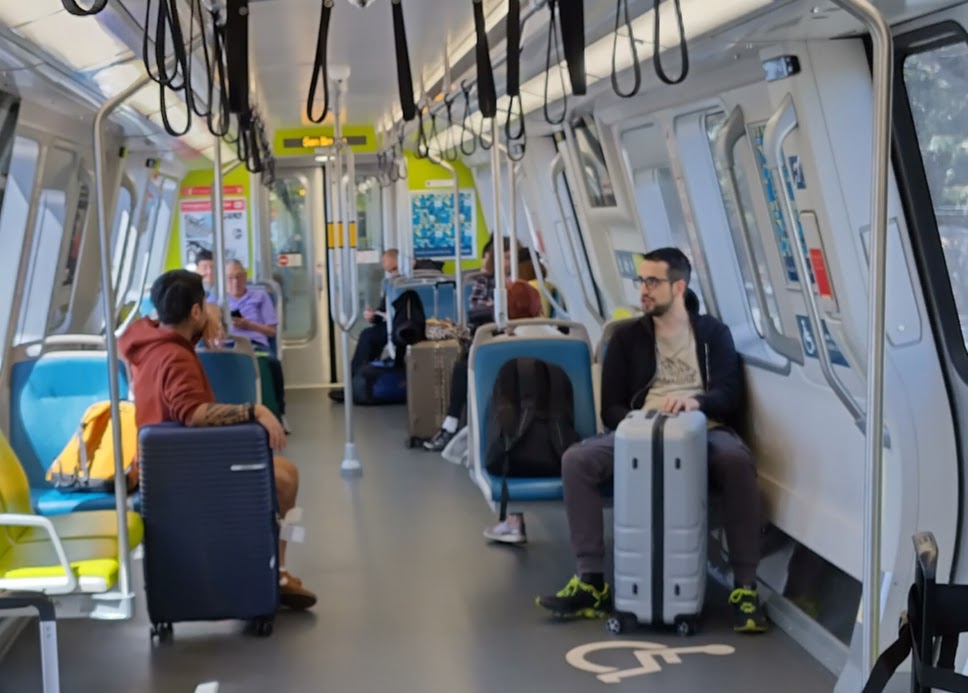
Arriving in San Francisco, I was excited to ride on the Bay Area Rapid Transit system (BART). The system was brand new in 1974 when I did my thesis for a degree in architecture (An integrated transport hub for mainline trains, underground rail, busses and a parking garage for cars). I received information from various underground systems from around the world – the most comprehensive information I received was from BART.
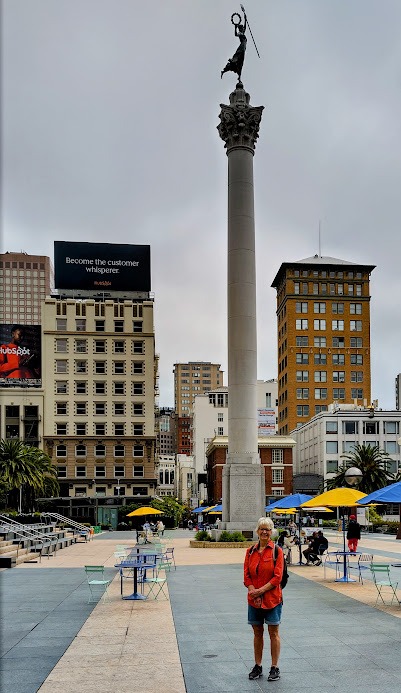
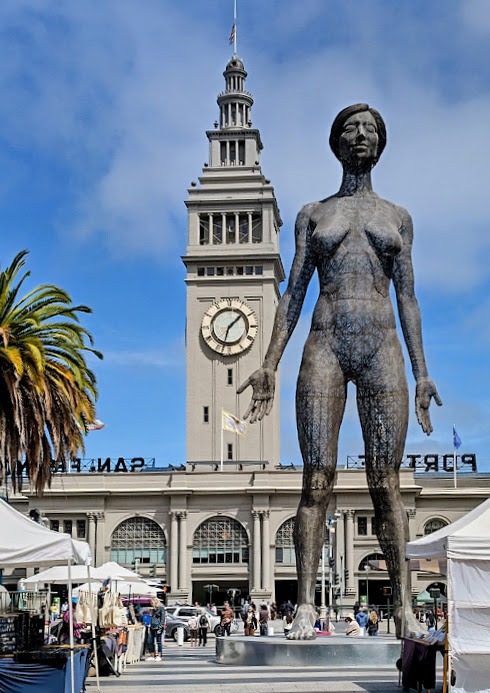
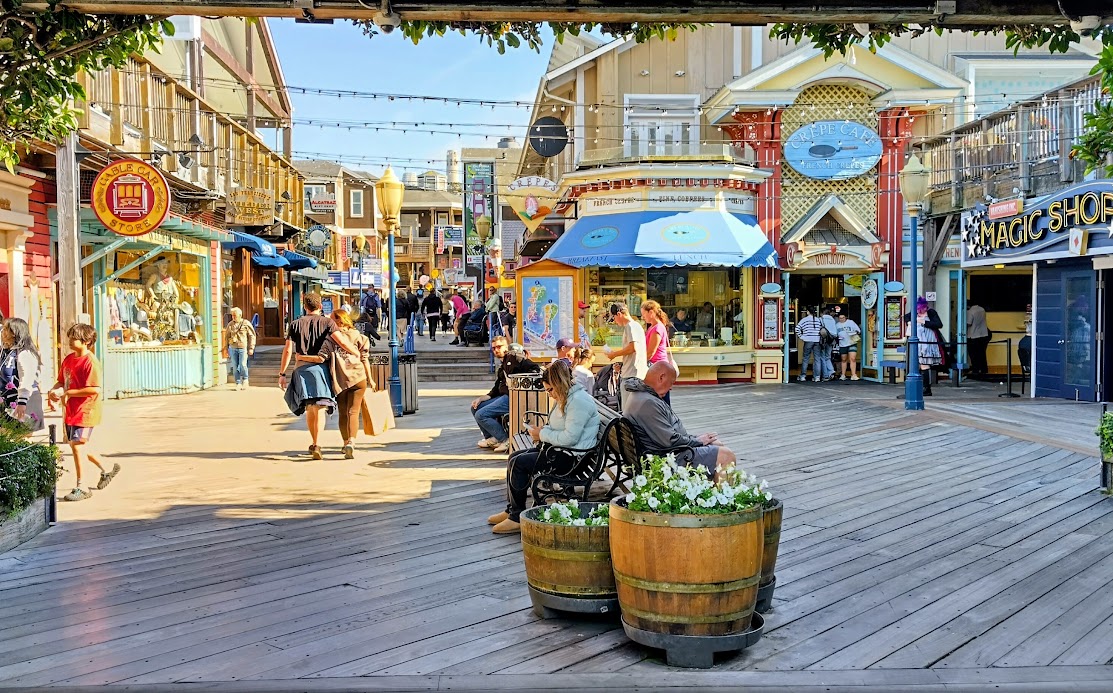
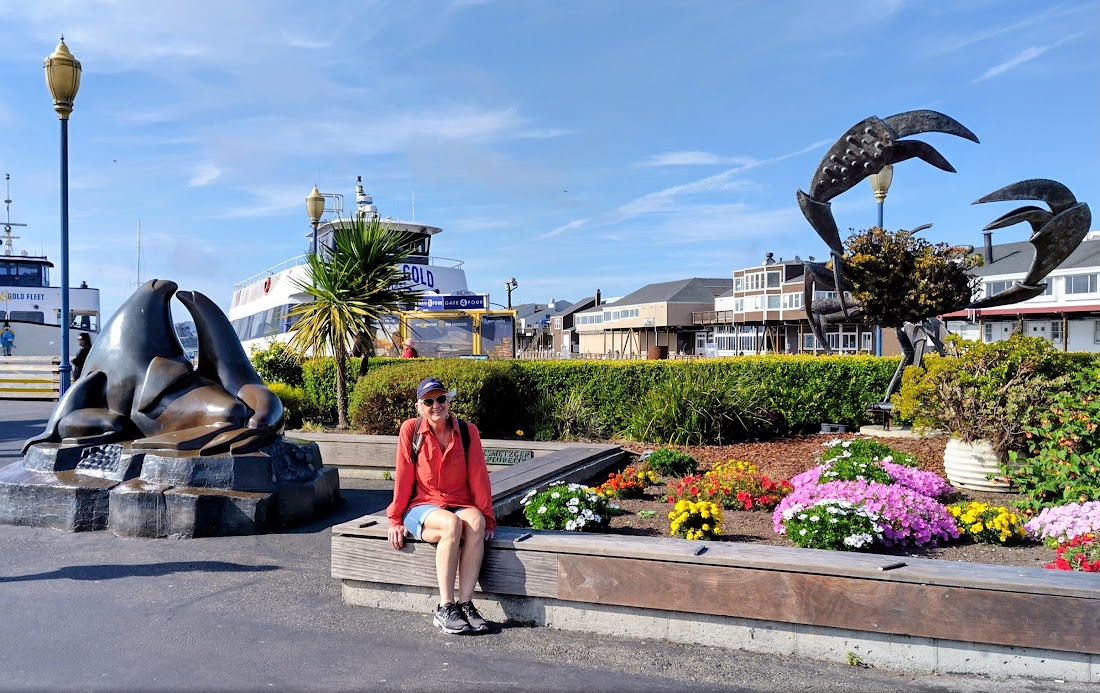
We checked into an hotel close to Union Square, which is central to the city. Our first day out, we explored by foot, covering 12.5km up and down hills – SF is famous for its steep topography and cable trams. A nice downhill walk through the financial district got us to the Port of San Francisco, from where we followed the shoreline past all the piers to number 39, which is the famous Fisherman’s Wharf. We stopped for lunch there and I had my first clam chowder, which was delicious.
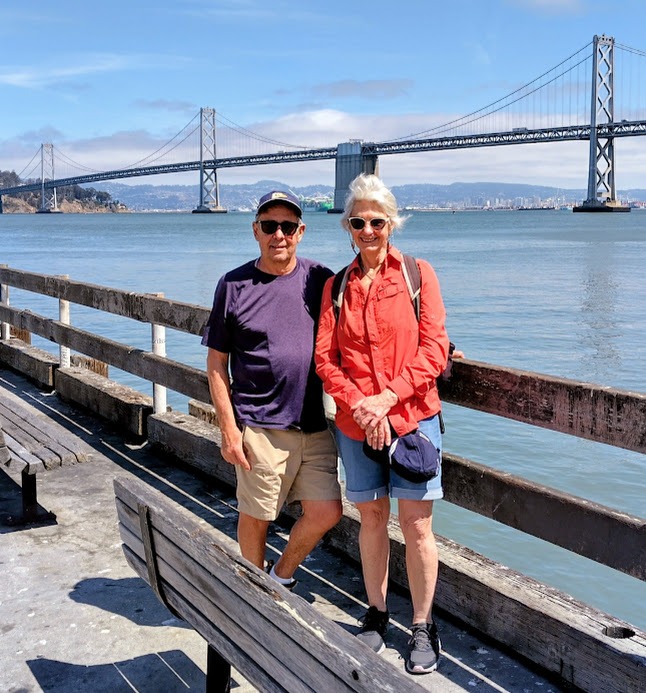
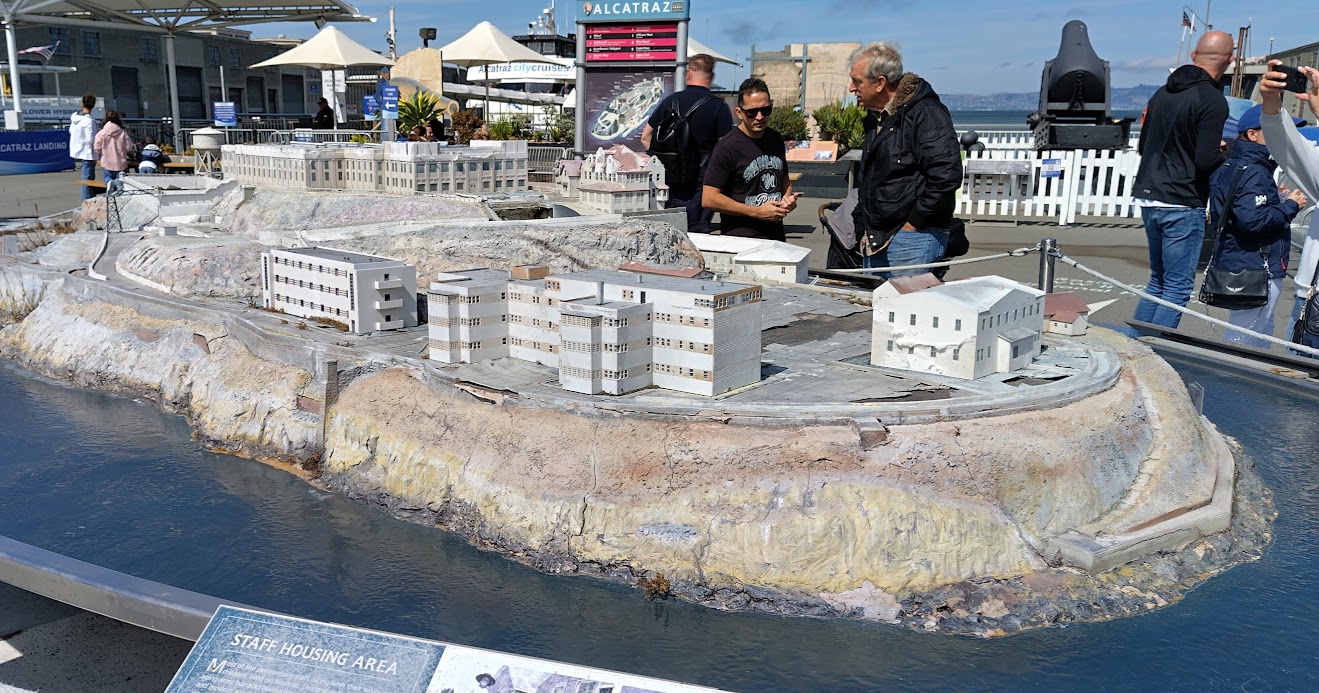
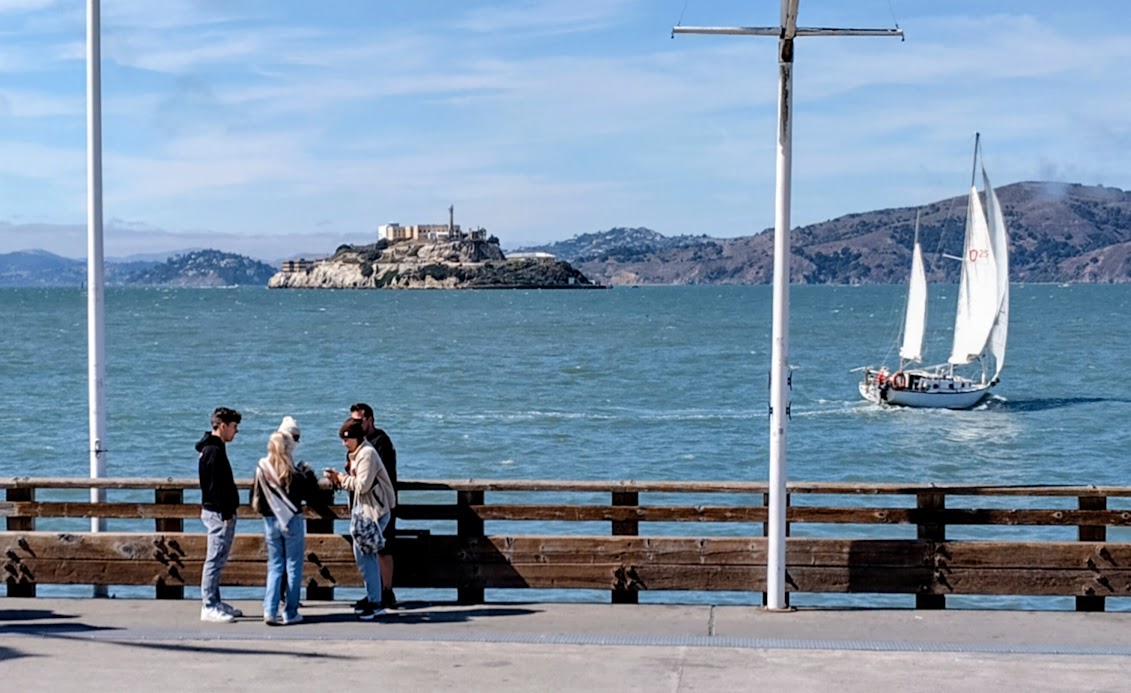
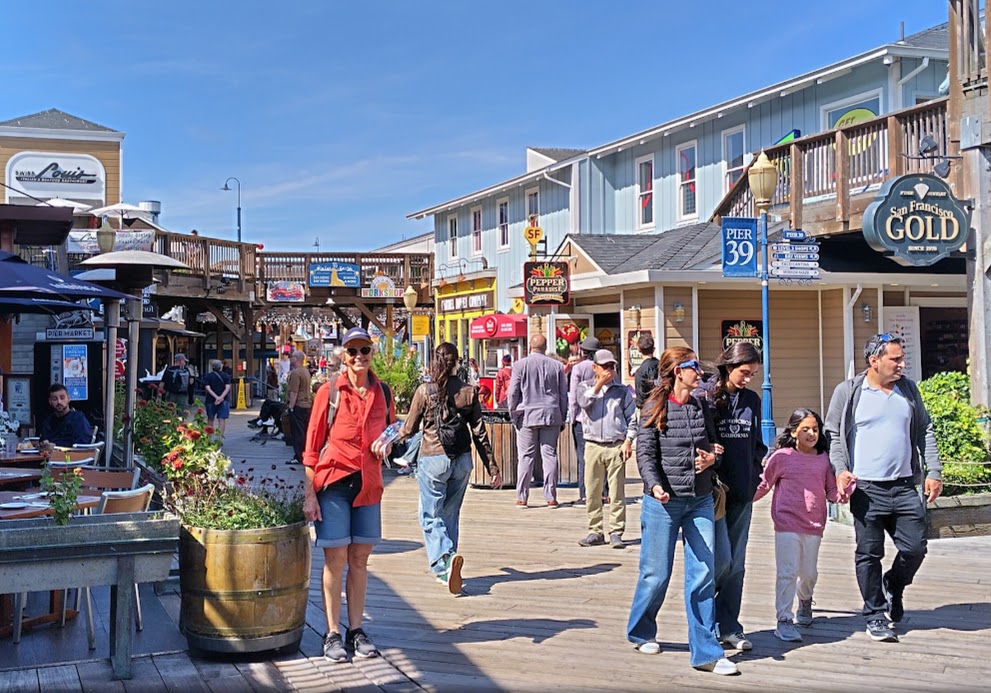
Then, up and down the hill back to our hotel for a shower, snacks and a bottle of tasty Napa Valley Chardonnay. What was clear after our day out and seeing the locals, is that SF is the world capital of alternative genders – but everyone is laid back and accepting. I was happily humming the lyrics of the Kinks 1970 hit Lola:
Well, I’m not the world’s most physical guy
But when she squeezed me tight, she nearly broke my spine
Oh, my Lola
Well, I’m not dumb, but I can’t understand
Why she walks like a woman and talks like a man
Oh, my Lola……
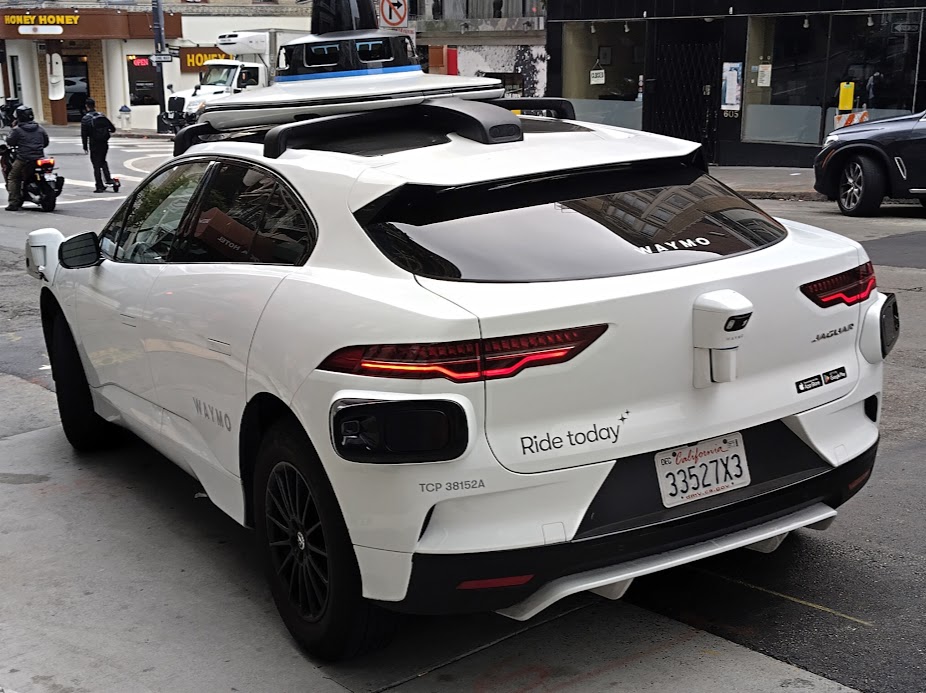
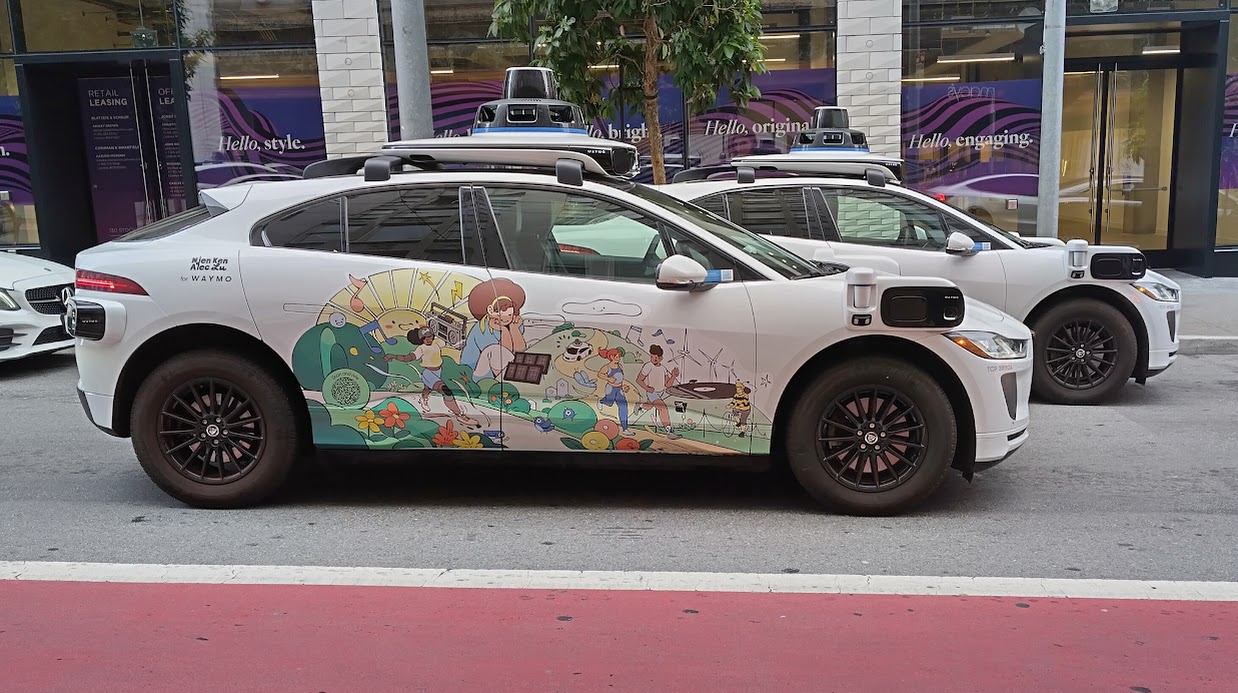
The other interesting thing about SF, is the many driverless Waymo electric robotaxis on the road. There are currently more than 300 of them in service and they are quietly and efficiently doing on average, 4,300 trips per day currently, accounting for 23% of the taxi market share in SF. The whole fleet are Jaguar electric vehicles.
The next day, we took the Big Red Bus hop-on, hop-off essential day tour, to rest the legs. This was an excellent way of covering all the popular areas including the Haight Ashbury area where the hippies hung out in the late sixties. I used to dream of being there for the summers of peace and love, but it was hard enough paying for Uni, never mind travelling.
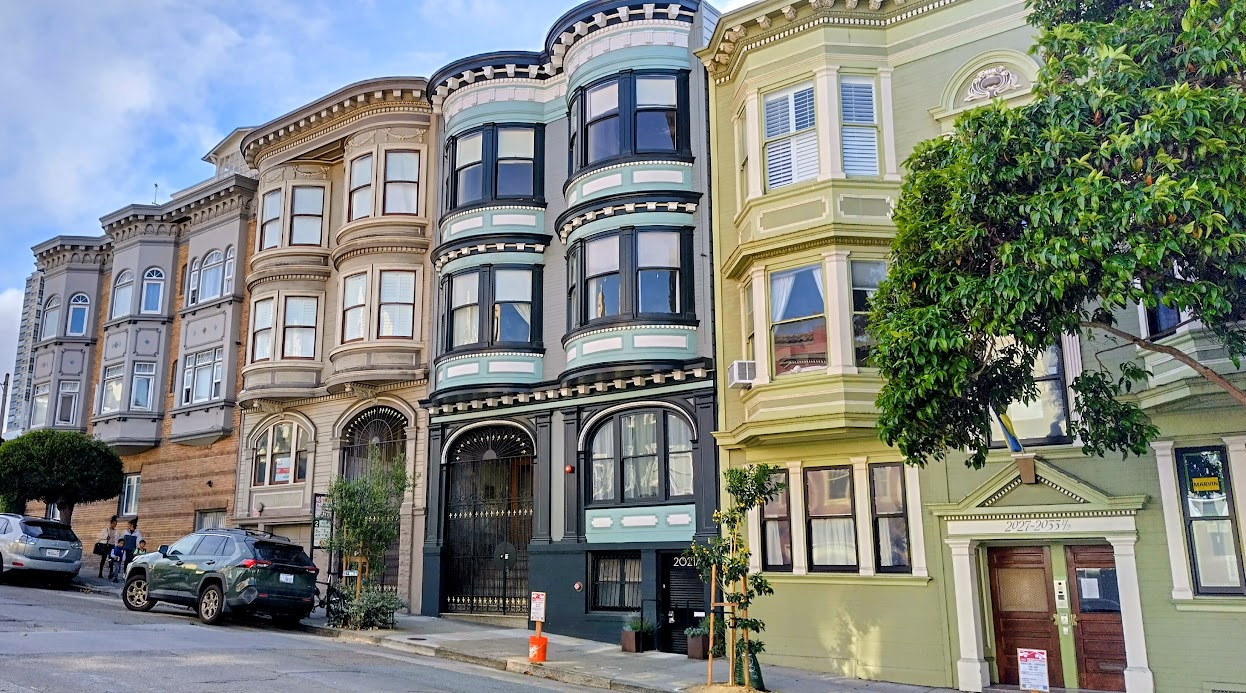
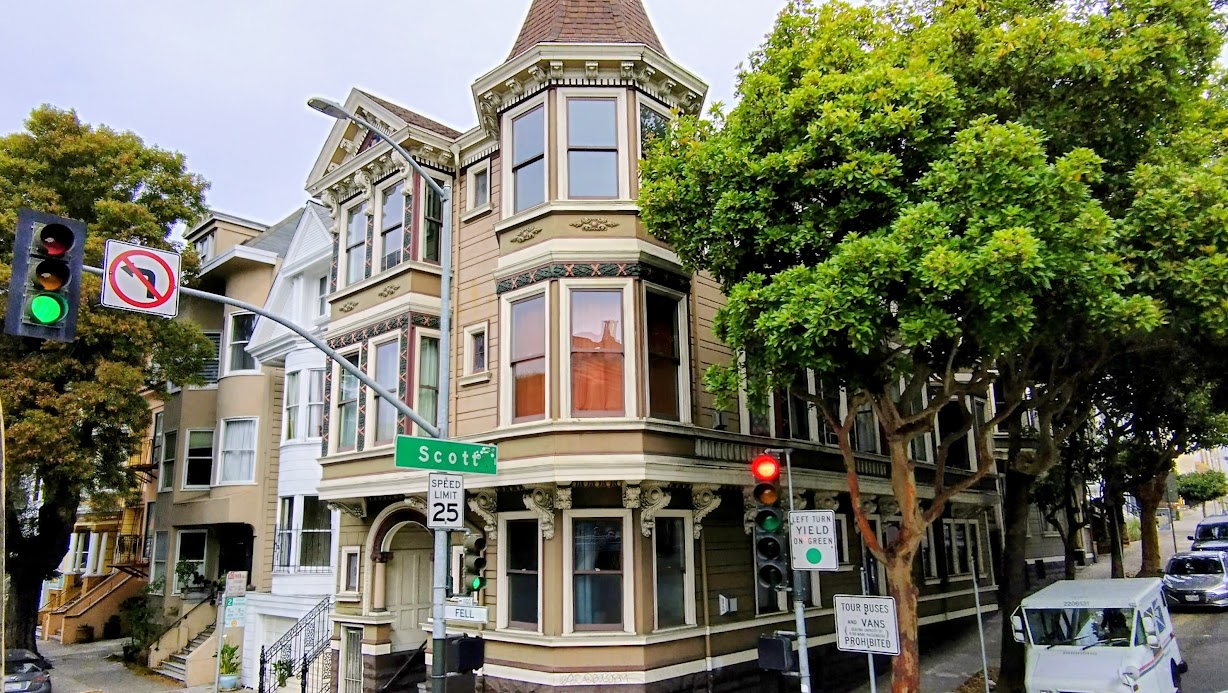
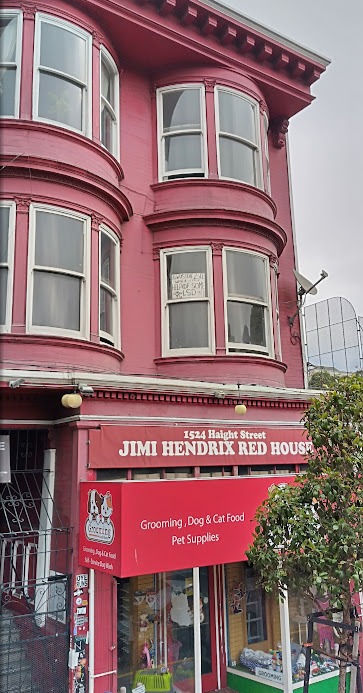
Having played in a band at school and being a bit of a music tragic, I followed the SF scene with Janis Joplin, Jimi Hendrix, Jefferson Airplane, the Grateful Dead, Santana, Crosby, Stills etc, all home grown SF musicians. This time around, I was humming Scott McKenzie’s 1967 “Summer of Love” hit, San Francisco:
If you’re going to San Francisco
Be sure to wear some flowers in your hair
If you’re going to San Francisco
You’re gonna meet some gentle people there (and so on)
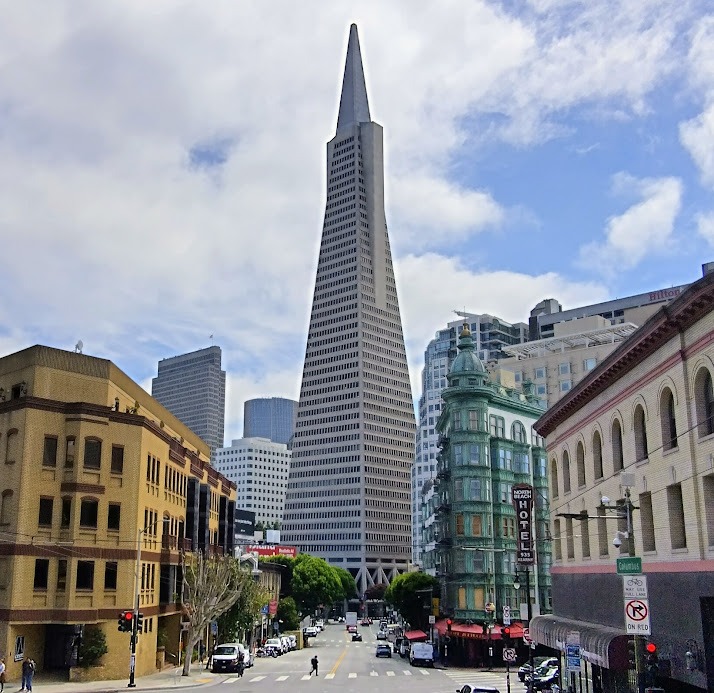
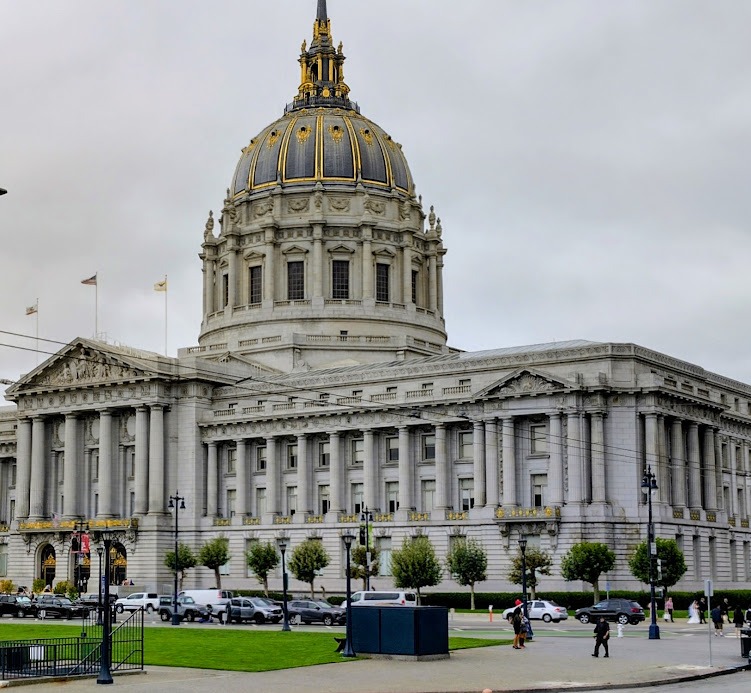
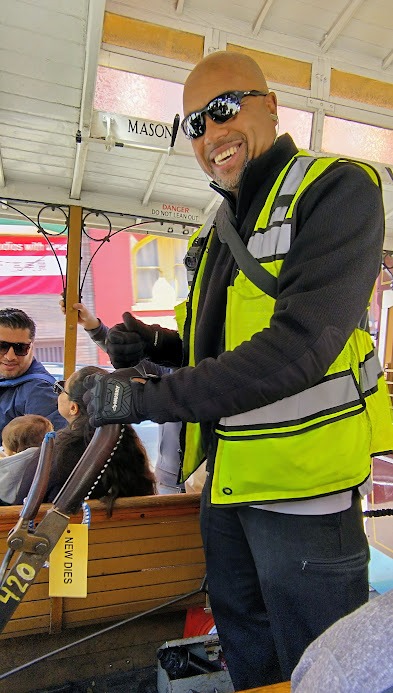
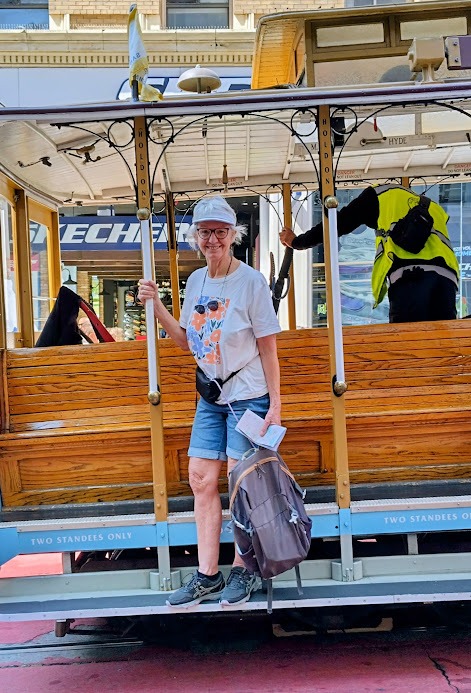
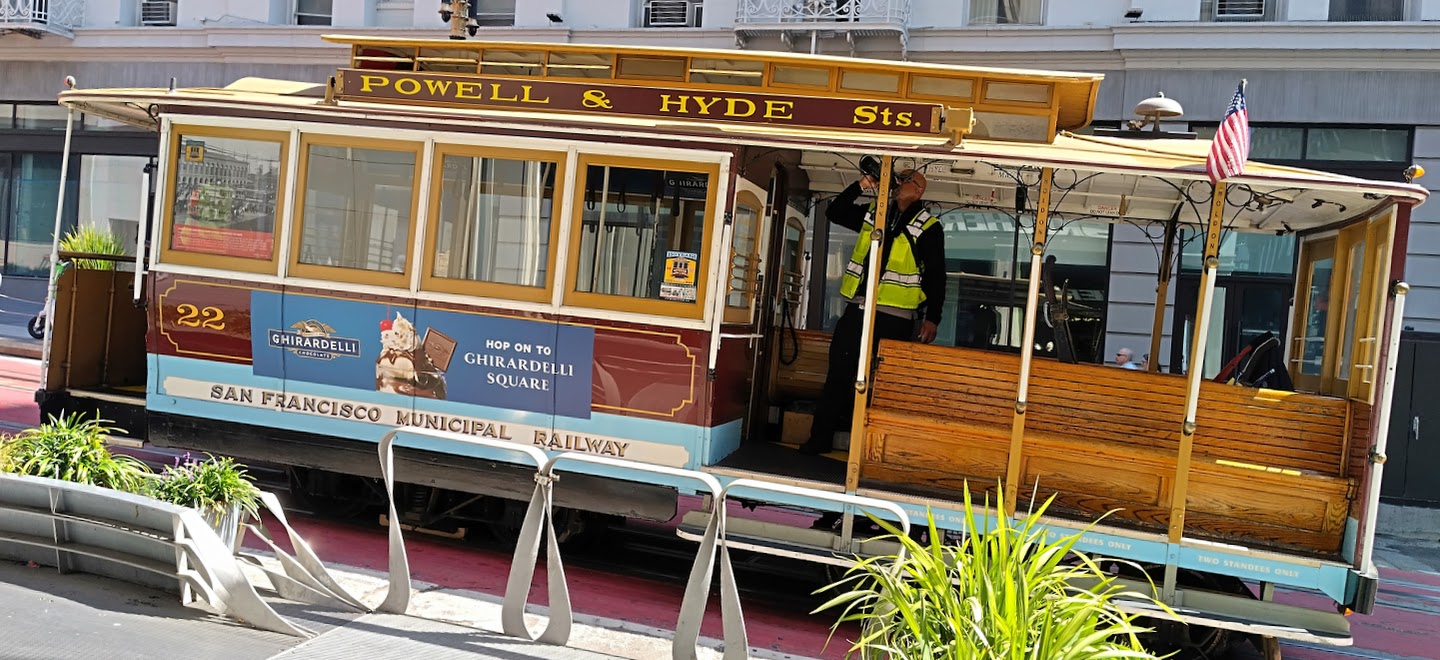
On Saturday our second last day, we tried the cable car (tram) system. For $15, you can ride the trams of the four lines for 24 hours, San Francisco’s cable cars were invented by Scots-born engineer, Andrew Smith Hallidie in 1873 to overcome the city’s steep hills, which horses struggled with on the wet and slippery cobblestone roads.
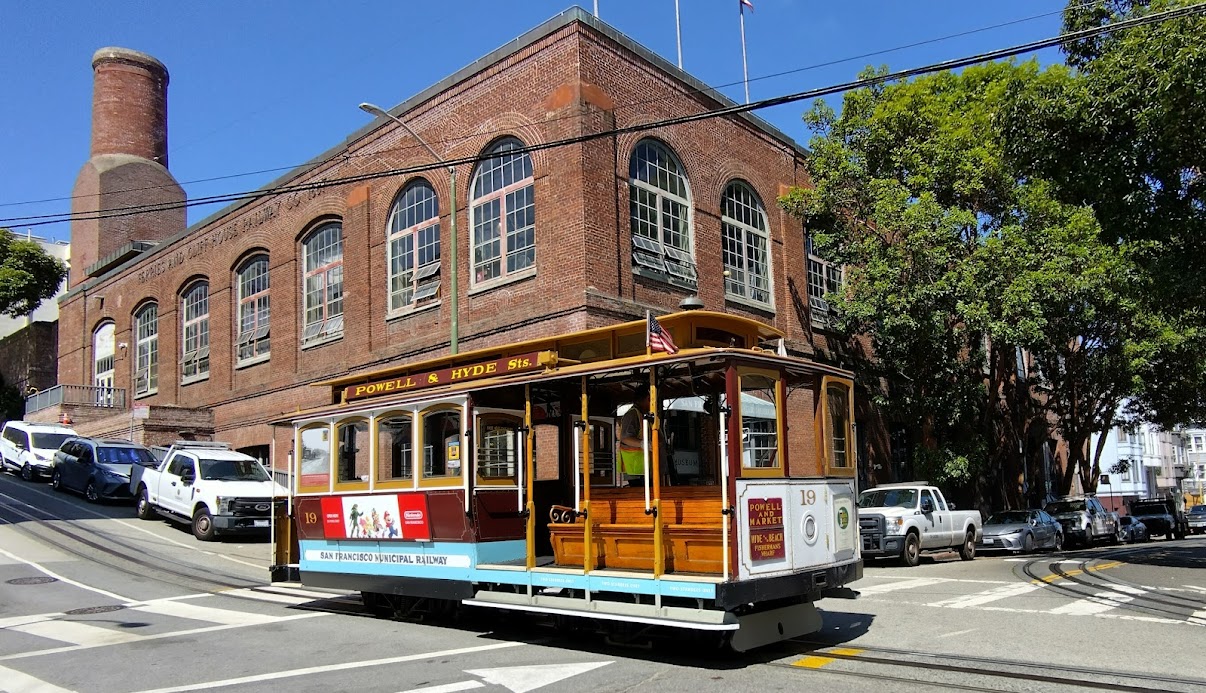
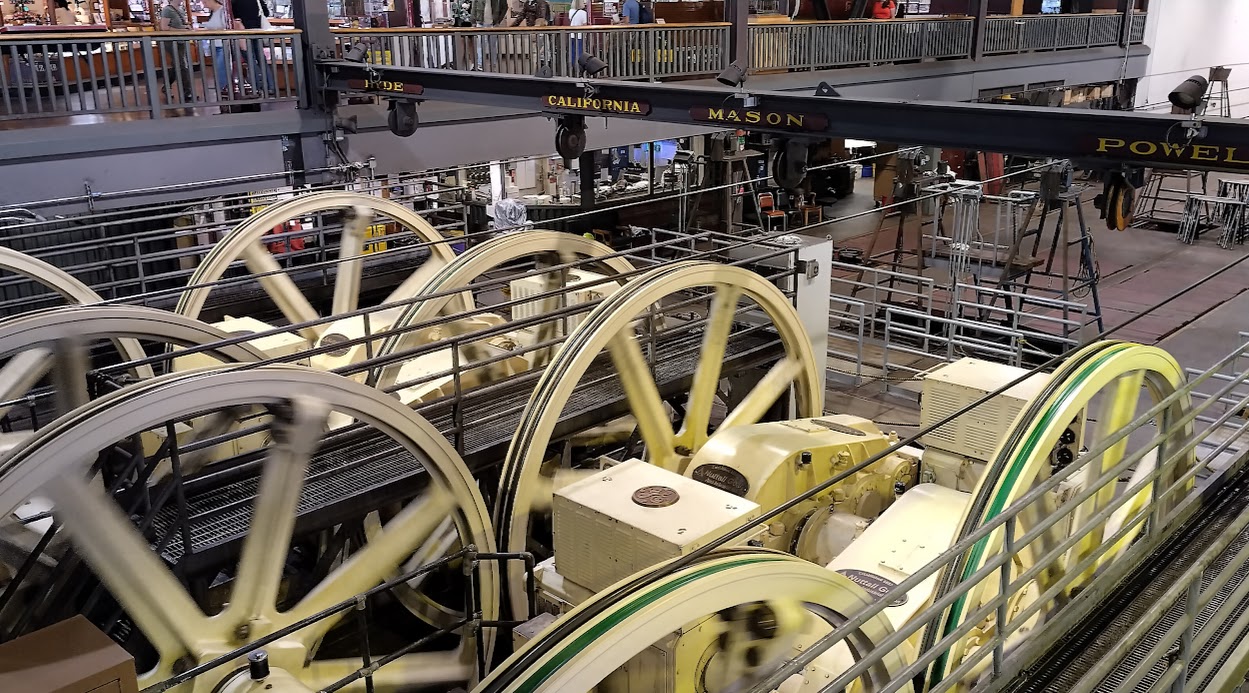
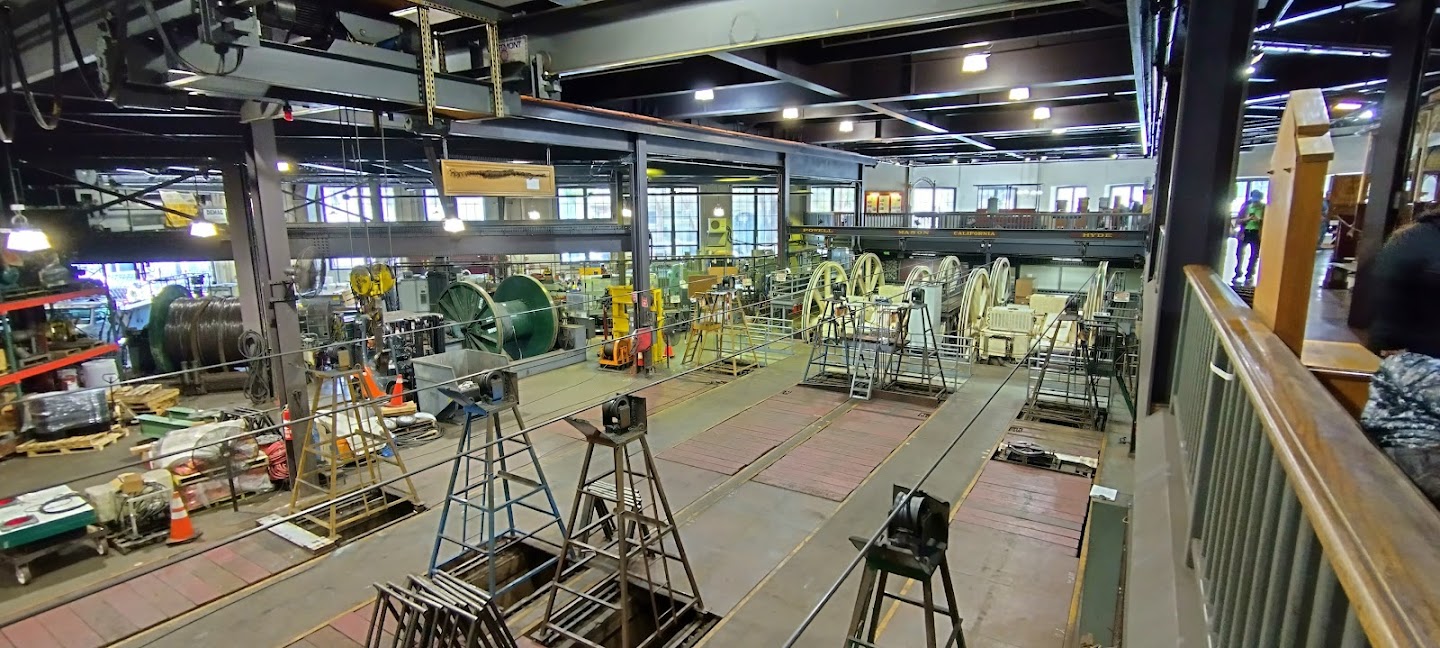
San Francisco’s cable cars work by being pulled along by a continuous, underground 32 mm steel cable, rather than having their own engines or exposed electrical cables. The longest looped cable on the California line is 6,600 (6.6km) long. The cable is moved by giant winding wheels in the central powerhouse. A crew member, the gripman, operates a lever to open and close a clamp (grip) on the car, which bites onto the moving cable to pull the car forward.
And now a bit of background on the 1906 SF catastrophe, which destroyed the cable car system: The 1906 San Francisco earthquake, which struck on April 18th 1906, was a catastrophic event that triggered a three-day fire from broken gas lines, destroying over 80% of the city, leaving around 250,000 people homeless. The earthquake destroyed over 500 city blocks, leaving 28,000 buildings in ruins.
Caused by a violent rupture along the San Andreas fault, the earthquake damaged infrastructure, including the crucial water system, which prevented effective firefighting efforts and allowed the ensuing fires to consume the city. While the death toll is estimated to be around 3,000 to 3,500. The disaster led to major changes in building codes, improved disaster response, and a dramatic, rapid rebuilding of the city, although the disaster also exposed social inequalities.
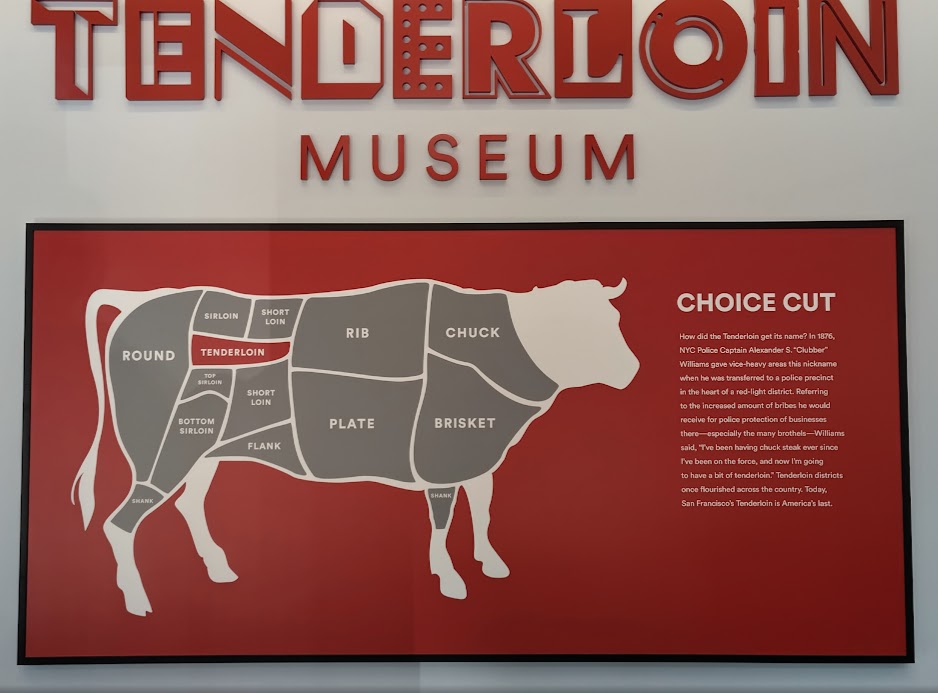
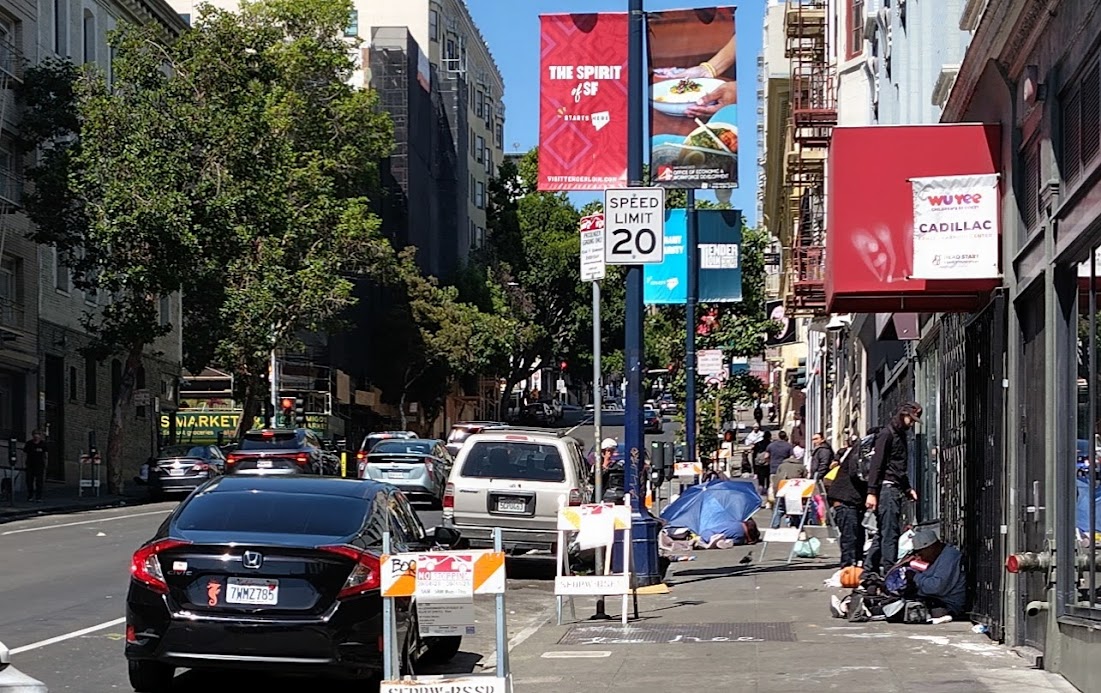
After the cable car rides, we walked to the Tenderloin Museum in Eddy Street.The term “Tenderloin” was originally applied to vice-ridden districts in cities like New York and later San Francisco, where it was said that police officers could afford better food (like tenderloin of beef) on bribes, than they could earn on regular salaries. This museum is very informative, but the surrounding area lives up to its reputation: drug addicts living on the pavements, openly using meth and fentanyl.
After a busy and wonderful time in San Francisco, on Sunday the 7th September we picked up a car at Avis and headed north out of SF to see the Redwood forests of California, enroute to Portland, Oregon. We will report back after our visit to Portland. Cheers for now.
Annie and Dirk.
terwyl julle daar is, gaan nog ‘n bietjie verder noord na Seattle.
Geniet dit!
Hi Dirk, klink my julle het ń opwindende toer daar in SF, geniet dit. Dankie vir al die mooi foto’s.
Groete
Vanna en Annie
Looks like you having a super time we both love SFO …..Looking foreatrd to the next blog
Gideon and Francois
That north west part of the US is wonderful.
Ons moet weer ‘n slag kuier.
Great to read your travellogue. Bon voyage